

Categories:
Label:
- Product Description
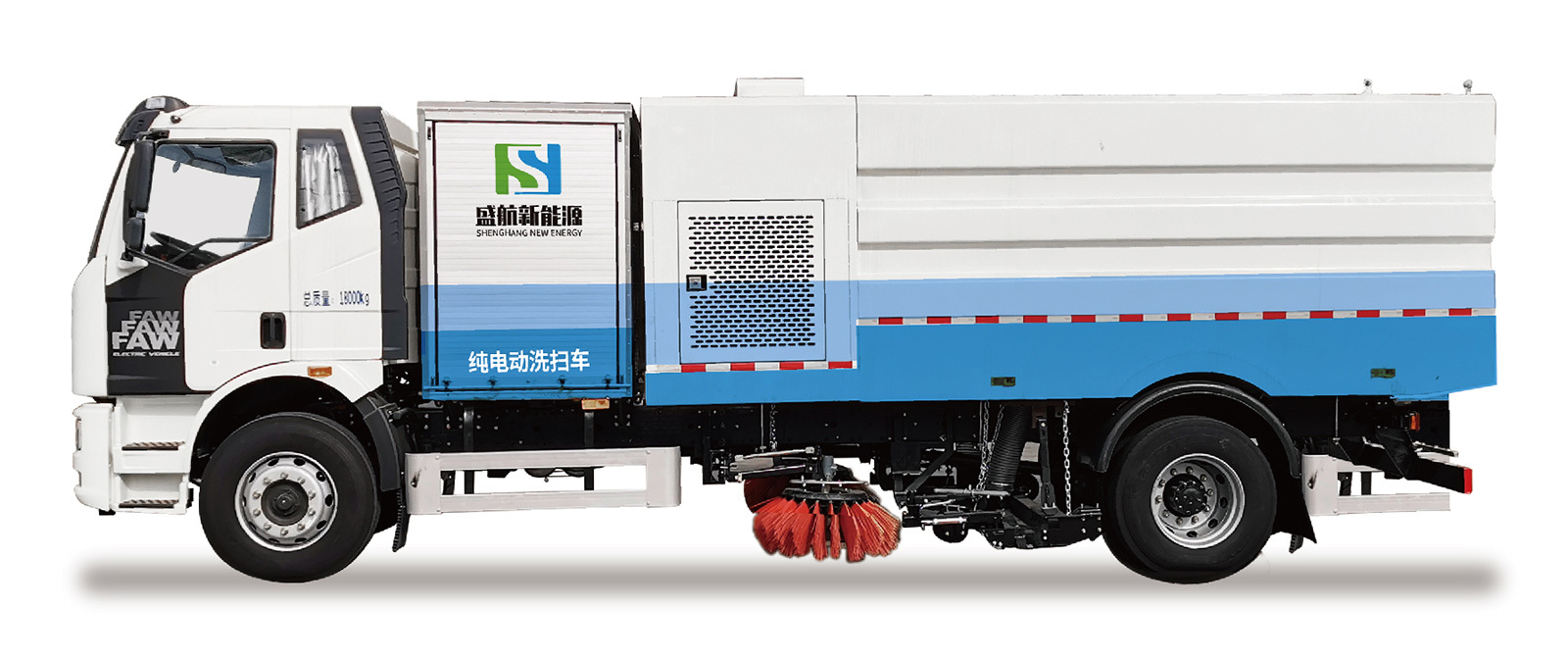
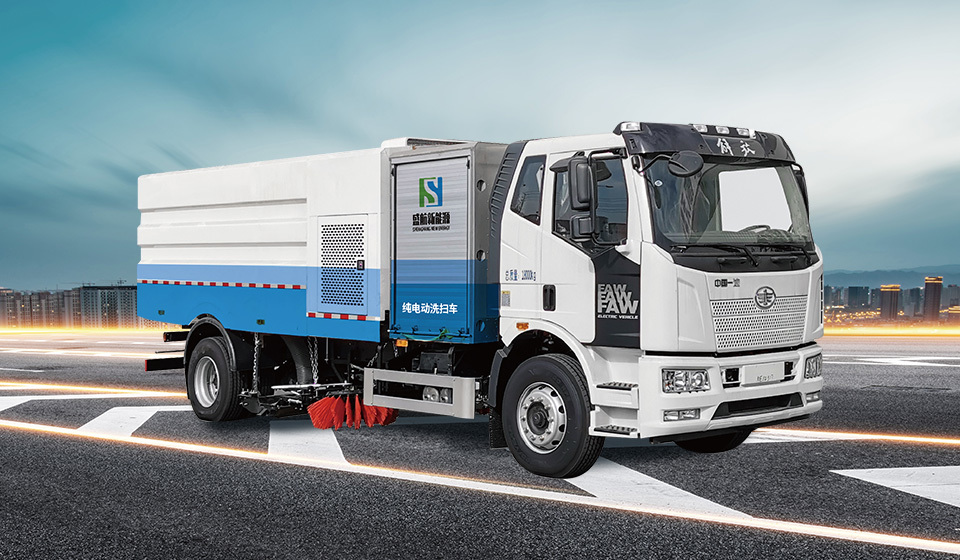
New energy sweeping vehicle
-
- Commodity name: New energy sweeping vehicle
**New Energy Sweeping Vehicle**
In recent years, the increasing concern for environmental sustainability has prompted a shift towards cleaner and more efficient technologies in various sectors. One of the notable innovations in this regard is the new energy sweeping vehicle. These vehicles are designed to maintain cleanliness in urban areas while minimizing their carbon footprint. This article explores the various aspects of new energy sweeping vehicles, including their technology, benefits, challenges, and future prospects.
The technology behind new energy sweeping vehicles is primarily focused on utilizing alternative energy sources, such as electricity or hydrogen fuel cells. Unlike traditional sweeping vehicles that rely on diesel or gasoline, new energy models operate on electric power, which significantly reduces emissions. Many of these vehicles are equipped with advanced battery systems that allow for extended operation time and quick recharging capabilities. Additionally, some models incorporate regenerative braking systems that harness energy during deceleration, further enhancing efficiency.
New energy sweeping vehicles come with a variety of features that improve their functionality and performance. For instance, many are equipped with intelligent control systems that optimize sweeping patterns and adjust to different environmental conditions. This not only ensures thorough cleaning but also minimizes energy consumption. Furthermore, these vehicles often have enhanced dust suppression systems, which reduce airborne particles and contribute to better air quality in urban areas. The integration of sensors and cameras also enables real-time monitoring and data collection, allowing for improved route planning and maintenance schedu ling.
The benefits of new energy sweeping vehicles extend beyond environmental considerations. Firstly, they offer significant cost savings in terms of fuel and maintenance. Electric vehicles generally have lower operational costs compared to their fossil fuel counterparts. Additionally, the reduction in noise pollution is a noteworthy advantage, especially in urban environments where traditional vehicles can be disruptive. This makes new energy sweeping vehicles more suitable for night-time operations, ensuring that cleaning can occur without disturbing residents or businesses.
Moreover, the shift towards new energy sweeping vehicles aligns with global efforts to combat climate change. Governments and municipalities are increasingly recognizing the importance of sustainable practices and are investing in cleaner technologies. By adopting new energy sweeping vehicles, cities can significantly reduce their greenhouse gas emissions and contribute to national and international climate goals. This is particularly crucial in densely populated urban areas, where air quality issues are prevalent.
Despite the numerous advantages, there are challenges associated with the widespread adoption of new energy sweeping vehicles. One of the primary concerns is the initial investment cost. Although operational costs are lower, the upfront expense for electric or hydrogen-powered vehicles can be significantly higher than traditional models. This financial barrier can deter municipalities from making the switch, especially when budgets are tight.
Another challenge is the availability of charging infrastructure. For electric sweeping vehicles, access to charging stations is essential for ensuring that they remain operational throughout the day. In many urban areas, the existing infrastructure may not be sufficient to support a large fleet of electric vehicles. Therefore, investment in charging stations and the development of a robust energy grid is crucial for the successful implementation of new energy sweeping vehicles.
Additionally, there are concerns regarding battery disposal and recycling. While electric vehicles are more environmentally friendly during operation, the production and disposal of batteries can pose environmental challenges. Ensuring that battery materials are recycled and that sustainable practices are followed in battery production is vital for minimizing the overall ecological impact.
Looking ahead, the future of new energy sweeping vehicles appears promising. As technology continues to advance, we can expect improvements in battery efficiency, charging times, and overall vehicle performance. Furthermore, as more cities commit to sustainability goals, the demand for clean transportation solutions is likely to grow. This shift could stimulate innovation and competition in the market, leading to more affordable and efficient options for municipalities.
In conclusion, new energy sweeping vehicles represent a significant step towards achieving cleaner and more sustainable urban environments. With their advanced technology, numerous benefits, and alignment with global climate initiatives, these vehicles are poised to play a crucial role in the future of urban cleanliness. While challenges remain, ongoing investments in infrastructure and technology will help pave the way for their broader adoption. As cities continue to evolve and prioritize sustainability, new energy sweeping vehicles will undoub tedly become an integral part of the urban landscape, contributing to a cleaner and healthier world for future generations.

Get A Free Product Quote
Fill in your phone and email information, we will contact you within one working day and solve your problem as soon as possible.
Shenghang Special Purpose Vehicle
Toll Free Hotline:400-059-0596
Tel:0086-311-85426885
Whatsapp:8618830151313(Sophia)