



Categories:
- Product Description
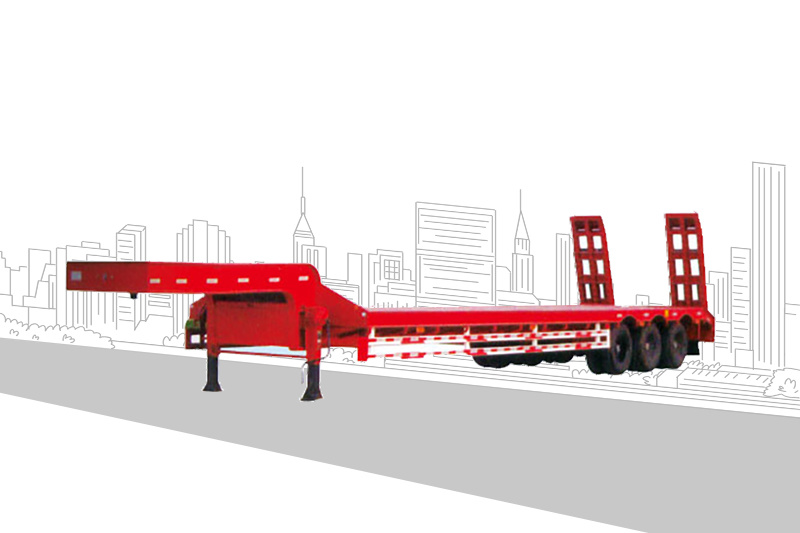
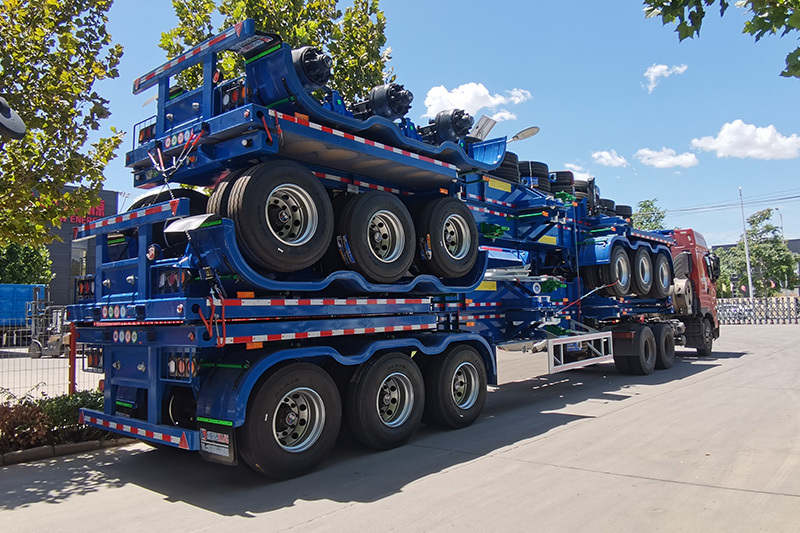
Low Flatbed Semi-Trailer
-
- Commodity name: Low Flatbed Semi-Trailer
The frame cargo platform has a low load-bearing surface and is suitable for the transportation of various construction machinery and large equipment.
**Low Flatbed Semi-Trailer**
In the world of logistics and transportation, low flatbed semi-trailers play a crucial role in moving oversized and heavy cargo. These specialized trailers are designed to accommodate a wide range of loads, making them indispensable in various industries. This article explores the features, advantages, applications, and maintenance of low flatbed semi-trailers, providing a comprehensive overview of their significance in modern transportation.
**Features of Low Flatbed Semi-Trailers**
Low flatbed semi-trailers are characterized by their unique design, which includes a lower deck height compared to standard flatbed trailers. This design enables them to carry taller loads without exceeding height restrictions. Typically, these trailers have a flat surface with no side walls, allowing for easy loading and unloading from all sides.
One of the most notable features of low flatbed semi-trailers is their structural integrity. They are built with robust materials, ensuring they can support heavy weights. Most low flatbed trailers have a capacity ranging from 40,000 to 60,000 pounds, depending on the model and configuration. Additionally, many of these trailers come equipped with adjustable air ride suspensions, enhancing stability and providing a s moother ride for the cargo.
Another essential feature is the presence of tie-down points. These points allow for secure fastening of loads, reducing the risk of shifting during transit. Many low flatbed trailers also come with removable stakes and winches, which further facilitate the safe transportation of various types of cargo.
**Advantages of Low Flatbed Semi-Trailers**
Low flatbed semi-trailers offer several advantages over other types of trailers. First and foremost, their low profile allows for the transportation of taller items without the need for special permits. This is particularly beneficial for industries that frequently deal with oversized machinery, construction equipment, or large industrial components.
Moreover, the flat design of these trailers provides flexibility in loading and unloading. Unlike enclosed trailers, low flatbeds allow for easy access from the sides and rear, making it simpler to load heavy equipment using cranes or forklifts. This accessibility can significantly reduce loading times, increasing efficiency in logistics operations.
Cost-effectiveness is another advantage. Low flatbed semi-trailers are often less expensive to manufacture and maintain compared to specialized trailers designed for specific cargo types. Their versatility means they can be used for various applications, reducing the need for multiple types of trailers in a fleet.
**Applications of Low Flatbed Semi-Trailers**
The applications of low flatbed semi-trailers are vast and varied. They are commonly used in the construction industry for transporting heavy machinery such as excavators, bulldozers, and cranes. These trailers can easily accommodate the size and weight of such equipment, ensuring safe and efficient transport to job sites.
In the manufacturing sector, low flatbeds are used to move large industrial components, including steel beams, tanks, and prefabricated structures. Their ability to handle oversized loads makes them an ideal choice for businesses involved in heavy manufacturing or construction.
Additionally, low flatbed semi-trailers are prevalent in the agricultural sector. Farmers and agricultural businesses utilize these trailers to transport large farming equipment, such as tractors and harvesters, to and from fields. The flatbed design allows for easy loading and unloading, which is essential during the busy planting and harvesting seasons.
**Maintenance of Low Flatbed Semi-Trailers**
Proper maintenance of low flatbed semi-trailers is crucial for ensuring their longevity and reliability. Regular inspections should be conducted to check for signs of wear and tear, particularly on the tires, brakes, and suspension systems. Ensuring that all tie-down points are functional and secure is also essential for safe transportation.
Routine cleaning of the trailer is important to prevent rust and corrosion, especially if it is frequently exposed to harsh weather conditions. Lubricating moving parts and checking the integrity of the trailer's frame and deck should be part of a regular maintenance schedule.
It is also advisable to keep a maintenance log for each trailer. This log should include records of inspections, repairs, and any modifications made. Such documentation not only helps in tracking the trailer's condition but can also be beneficial for compliance with regulatory standards.
**Conclusion**
In conclusion, low flatbed semi-trailers are a vital component of the transportation and logistics industry. Their unique features, advantages, and wide range of applications make them indispensable for moving oversized and heavy cargo. Proper maintenance ensures these trailers remain safe and efficient, contributing to the s mooth operation of various industries. As logistics demands continue to evolve, the role of low flatbed semi-trailers will undoub tedly remain significant in facilitating the movement of goods across the globe.

Get A Free Product Quote
Fill in your phone and email information, we will contact you within one working day and solve your problem as soon as possible.
Shenghang Special Purpose Vehicle
Toll Free Hotline:400-059-0596
Tel:0086-311-85426885
Whatsapp:8618830151313(Sophia)