



Categories:
Label:
- Product Description
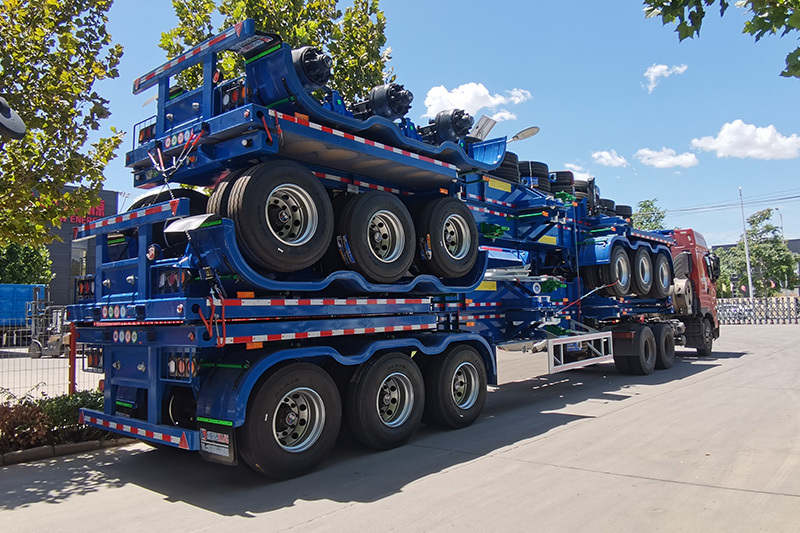
Skeleton semi trailer
-
- Commodity name: Skeleton semi trailer
**Skeleton Semi Trailer**
The skeleton semi trailer is a specialized type of trailer designed primarily for transporting containers. These trailers have gained significant popularity in the logistics and transportation industry due to their efficiency and versatility. This article will delve into the features, benefits, applications, and maintenance of skeleton semi trailers, highlighting why they are an essential asset for modern freight transportation.
**Understanding the Structure of Skeleton Semi Trailers**
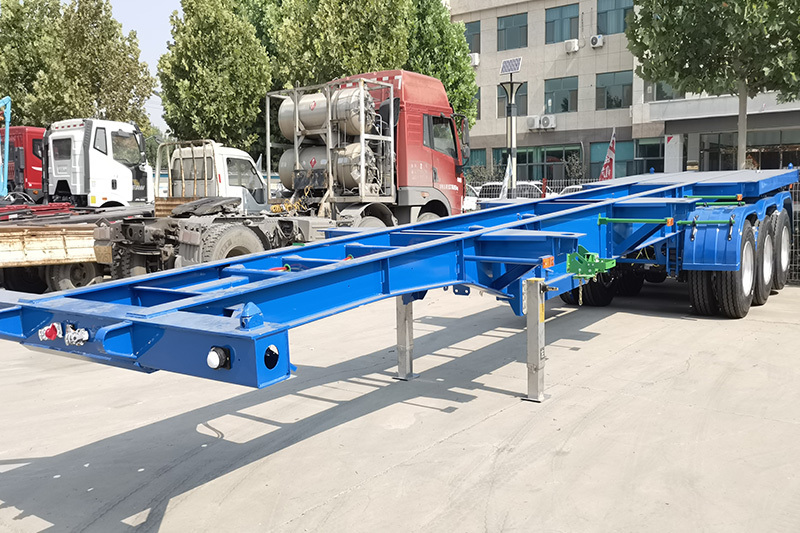
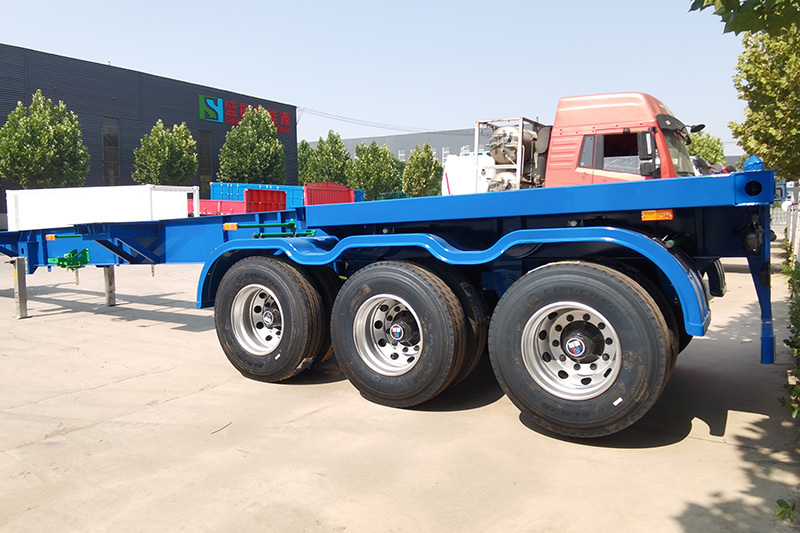
Skeleton semi trailers are characterized by their unique design, which typically consists of a skeletal frame that supports a container. Unlike traditional flatbed trailers, skeleton trailers lack a solid platform. Instead, they have a series of beams and supports that provide stability while allowing for easy loading and unloading of containers. The primary materials used in their construction include high-strength steel and aluminum, ensuring durability and lightweight properties.
The design of skeleton trailers allows them to accommodate standard shipping containers, usually measuring 20 or 40 feet in length. This adaptability makes them ideal for intermodal transportation, where goods are moved using more than one mode of transport without handling the cargo itself.
**Benefits of Using Skeleton Semi Trailers**
One of the primary advantages of skeleton semi trailers is their ability to maximize space and load efficiency. The open design enables transporters to stack containers, optimizing the use of vertical space during shipping. This feature is particularly beneficial in busy ports and terminals where space is often limited.
Another significant benefit is the reduced weight compared to traditional trailers. The lightweight construction of skeleton semi trailers allows for higher payload capacities without exceeding weight limits. This means that transporters can carry more goods, ultimately leading to increased profitability.
Moreover, skeleton semi trailers offer flexibility in loading and unloading. The skeletal frame allows for quick and efficient handling of containers, which is crucial in a fast-paced logistics environment. This efficiency not only saves time but also reduces labor costs associated with loading and unloading.
**Applications of Skeleton Semi Trailers**
Skeleton semi trailers are primarily used in the shipping and logistics industry, particularly for transporting containers. They are commonly employed by shipping companies, freight forwarders, and logistics providers. Their ability to accommodate standard containers makes them a popular choice for intermodal transport, where containers are transferred between ships, trains, and trucks.
In addition to international shipping, skeleton trailers are also used for domestic freight transportation. Many companies utilize these trailers for transporting goods between distribution centers and retail outlets. Their efficiency and cost-effectiveness make them a preferred option for businesses looking to optimize their supply chain operations.
Furthermore, skeleton semi trailers are not limited to transporting containers. They can also be adapted for other uses, such as transporting oversized cargo or heavy machinery. With the right modifications, these trailers can be customized to meet specific transportation needs, making them versatile tools in the logistics industry.
**Maintenance and Care of Skeleton Semi Trailers**
To ensure the longevity and efficiency of skeleton semi trailers, regular maintenance is essential. Proper care not only extends the life of the trailer but also ensures safety during transportation. Here are some key maintenance practices:
1. **Regular Inspections**: Conducting routine inspections of the trailer's frame, suspension, and tires is crucial. Checking for any signs of wear or damage can prevent accidents and costly repairs.
2. **Cleaning**: Keeping the trailer clean is vital for preventing corrosion and rust. Regular washing and inspection of the frame will help maintain its structural integrity.
3. **Lubrication**: Proper lubrication of moving parts, such as axles and brakes, is essential for s mooth operation. Regularly applying lubricant can reduce friction and wear, extending the life of the trailer.
4. **Tire Maintenance**: Ensuring that tires are properly inflated and in good condition is critical for safety and fuel efficiency. Regularly checking tire pressure and tread depth can prevent blowouts and improve handling.
5. **Documentation**: Keeping detailed records of maintenance activities and inspections can help track the trailer's condition over time. This documentation is valuable for identifying recurring issues and planning future maintenance.
**Conclusion**
In conclusion, skeleton semi trailers play a vital role in the transportation and logistics industry. Their unique design, efficiency, and versatility make them an invaluable asset for businesses involved in container shipping. As the demand for intermodal transport continues to grow, the importance of skeleton semi trailers will only increase.
By understanding their structure, benefits, applications, and maintenance requirements, businesses can make informed decisions about incorporating skeleton semi trailers into their operations. As the logistics landscape evolves, these trailers will remain a key component in the efficient movement of goods, contributing to the global economy.

Get A Free Product Quote
Fill in your phone and email information, we will contact you within one working day and solve your problem as soon as possible.
Shenghang Special Purpose Vehicle
Toll Free Hotline:400-059-0596
Tel:0086-311-85426885
Whatsapp:8618830151313(Sophia)