



Categories:
- Product Description
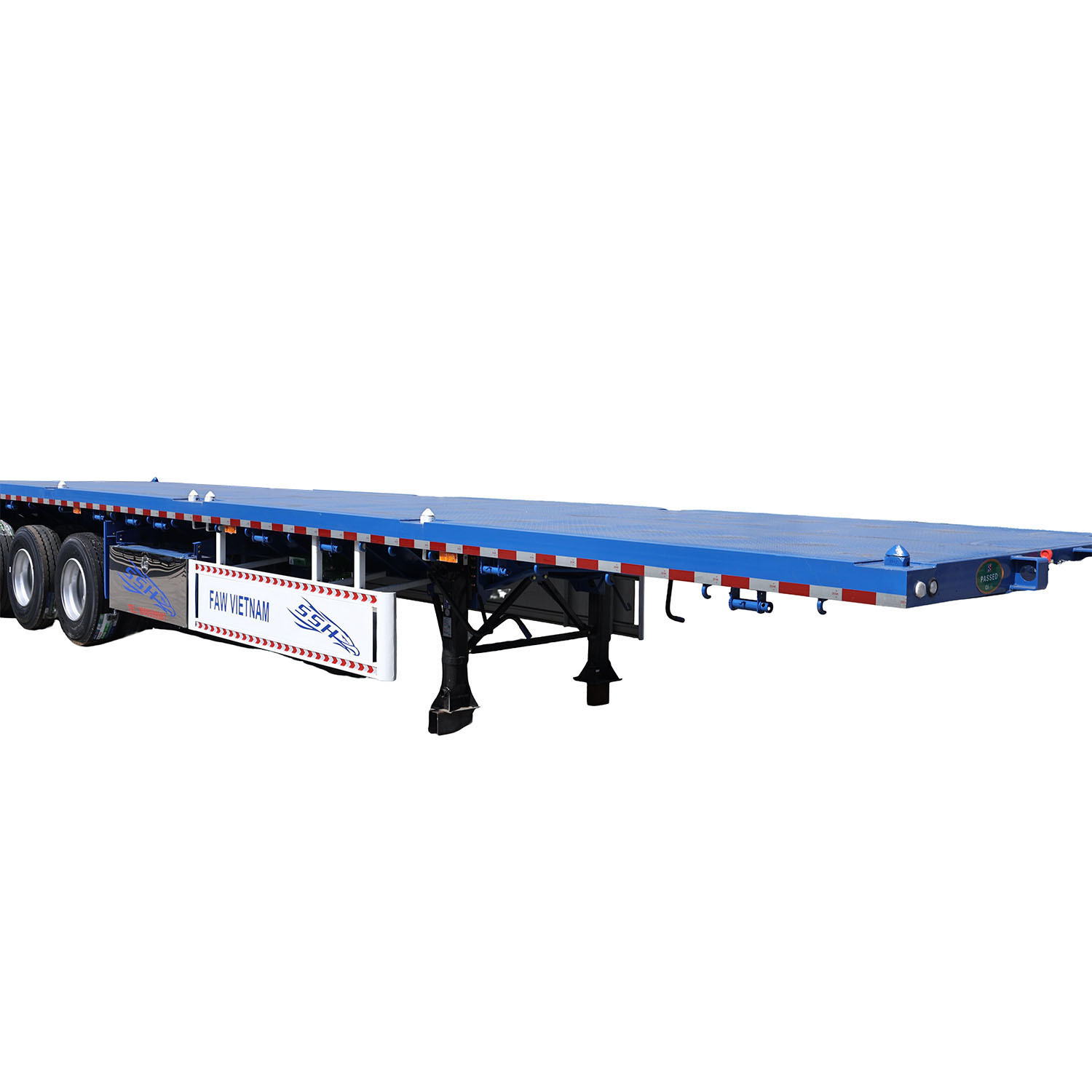
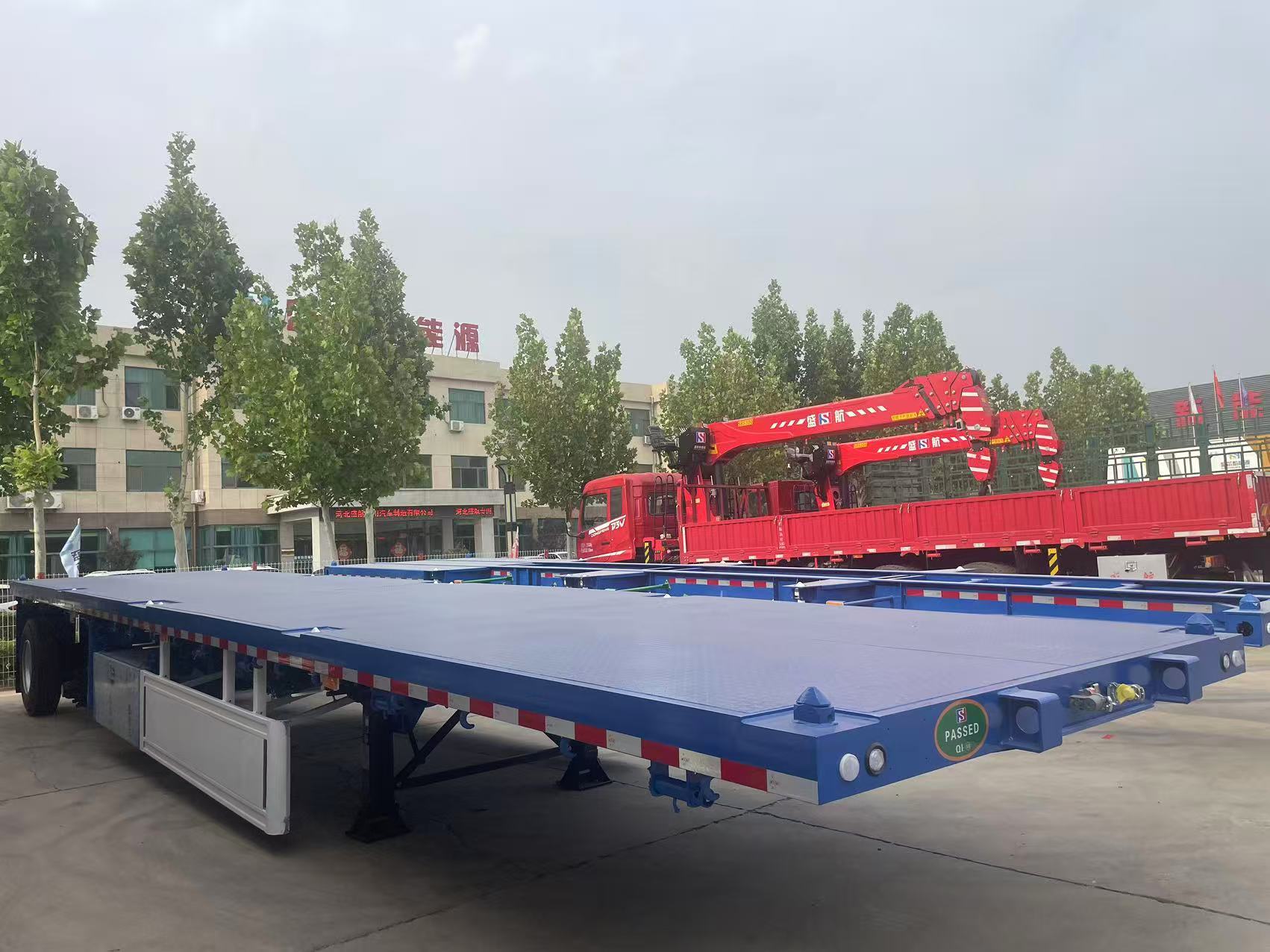
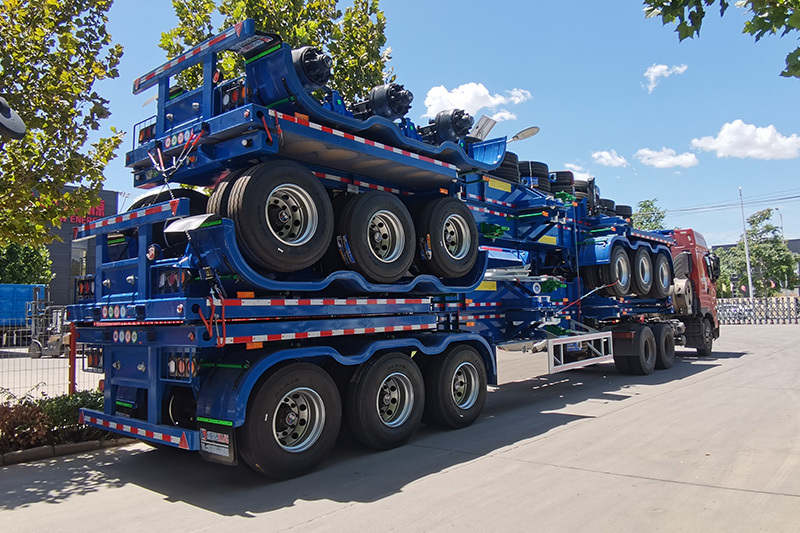
2/3 Axles Flatbed Semi Trailer
-
- Commodity name: 2/3 Axles Flatbed Semi Trailer
**2/3 Axles Flatbed Semi Trailer**
In the world of logistics and transportation, the efficiency and reliability of equipment are paramount. Among the various types of trailers available, the 2/3 axles flatbed semi trailer stands out as a versatile and practical solution for transporting a wide range of goods. This article delves into the design, benefits, applications, and considerations associated with 2/3 axles flatbed semi trailers.
**Understanding Flatbed Semi Trailers**
Flatbed semi trailers are characterized by their open, flat surfaces without sides or a roof. This design allows for easy loading and unloading of cargo, making them ideal for transporting large and heavy items that may not fit within the confines of a traditional enclosed trailer. The choice between 2 or 3 axles is crucial, as it influences the trailer's weight capacity, maneuverability, and overall performance.
**Design and Construction**
The design of a 2/3 axles flatbed semi trailer typically features a robust steel frame that provides durability and strength. The flatbed surface is often constructed with hardwood or steel, allowing for secure loading of various cargo types. The number of axles plays a significant role in determining the trailer's load capacity. A 2-axle trailer generally has a lower weight capacity than a 3-axle trailer, which can support heavier loads while maintaining stability.
In addition to the number of axles, other design elements such as load securing features, ramps, and adjustable height mechani s can enhance the trailer's functionality. Ramps are particularly beneficial for loading and unloading heavy equipment, while adjustable height features allow the trailer to accommodate different types of vehicles or cargo.
**Benefits of 2/3 Axles Flatbed Semi Trailers**
One of the primary advantages of flatbed semi trailers is their versatility. They can transport a wide array of goods, including construction materials, machinery, and vehicles. The open design allows for easy access from all sides, making loading and unloading more efficient. This is especially beneficial in environments where forklifts or cranes are used.
Another benefit is the ability to transport oversized loads. Flatbed trailers can accommodate larger items that would not fit within the confines of a standard trailer. This makes them ideal for construction companies, manufacturers, and other industries that frequently handle bulky materials.
Moreover, the 2/3 axles configuration provides flexibility in terms of weight distribution. A 3-axle trailer can distribute heavier loads more evenly, reducing the risk of tire wear and enhancing safety on the road. This configuration also allows for better maneuverability in tight spaces, making it easier to navigate urban environments or construction sites.
**Applications in Various Industries**
Flatbed semi trailers are widely used across numerous industries. In the construction sector, they are essential for transporting building materials such as steel beams, concrete blocks, and heavy machinery. The ability to load and unload equipment easily makes them a preferred choice for contractors.
In the manufacturing industry, flatbed trailers facilitate the movement of large machinery and components. They are also used in the agricultural sector for transporting farm equipment, livestock, and produce. The versatility of flatbed trailers allows them to adapt to the specific needs of various industries, making them indispensable in logistics and supply chain management.
**Considerations When Choosing a Flatbed Semi Trailer**
When selecting a 2/3 axles flatbed semi trailer, several factors must be considered. First and foremost is the weight capacity required for the intended cargo. Understanding the specific needs of your business will help determine whether a 2-axle or 3-axle configuration is more suitable.
Another important consideration is the trailer's design features. Depending on the types of goods being transported, additional features such as tie-down points, side rails, or ramps may be necessary. Ensuring that the trailer meets safety standards and regulations is also crucial to avoid potential legal issues.
Maintenance is another aspect to keep in mind. Regular inspections and upkeep of the trailer's components, including the axles, tires, and braking system, are essential for safe operation. Investing in quality materials and construction will also contribute to the longevity of the trailer.
**Conclusion**
The 2/3 axles flatbed semi trailer is a vital asset in the transportation and logistics industry. Its open design, versatility, and ability to accommodate oversized loads make it an ideal choice for a variety of applications. By understanding the benefits, applications, and considerations associated with these trailers, businesses can make informed decisions that enhance their operational efficiency. Whether in construction, manufacturing, or agriculture, flatbed semi trailers continue to play a crucial role in moving goods across the supply chain, ensuring that industries can meet their logistical demands effectively.

Get A Free Product Quote
Fill in your phone and email information, we will contact you within one working day and solve your problem as soon as possible.
Shenghang Special Purpose Vehicle
Toll Free Hotline:400-059-0596
Tel:0086-311-85426885
Whatsapp:8618830151313(Sophia)