


Categories:
- Product Description
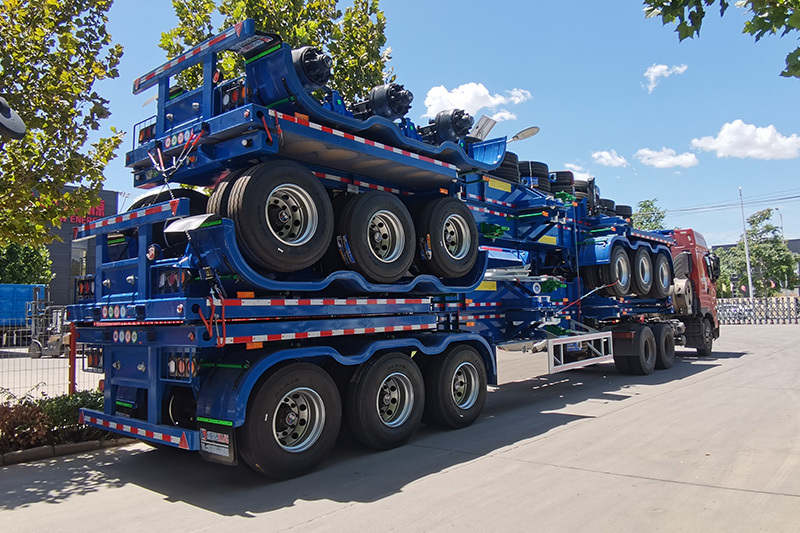
Low flatbed semi-trailer
-
- Commodity name: Low flatbed semi-trailer
**Low Flatbed Semi-Trailer**
In the world of transportation and logistics, the low flatbed semi-trailer plays a pivotal role in facilitating the movement of heavy and oversized cargo. This specialized vehicle is designed to accommodate a variety of loads that traditional trailers may struggle to handle. Understanding the design, functionality, and advantages of low flatbed semi-trailers can provide valuable insights for businesses and individuals involved in the shipping and freight industry.
**Design and Structure**
Low flatbed semi-trailers are characterized by their unique structure, which features a lower deck height compared to standard flatbed trailers. This design is achieved through a combination of engineering innovations, including a lowered frame and axle placement. Typically, the height of the deck can be around 18 to 24 inches off the ground, significantly reducing the center of gravity for the cargo being transported.
The construction materials used in low flatbed semi-trailers are also noteworthy. Most trailers are built with high-strength steel or aluminum to ensure durability while minimizing weight. The flatbed surface is often equipped with multiple tie-down points to secure cargo effectively. Additionally, many models come with removable side rails or stake pockets, providing flexibility in load securing.
**Functionality and Applications**
Low flatbed semi-trailers are versatile and can transport a wide range of goods. Their primary use is for carrying heavy equipment, such as construction machinery, agricultural implements, and industrial tools. The low deck height allows for easier loading and unloading, which is particularly beneficial when using cranes or forklifts.
In addition to heavy machinery, these trailers can also transport oversized items that exceed the dimensions of standard freight. This includes items such as large steel beams, wind turbine components, and prefabricated structures. The open design of a low flatbed allows for the transportation of loads that may be too tall or wide for enclosed trailers, making them an essential choice for specialized shipping.
**Advantages of Low Flatbed Semi-Trailers**
One of the primary advantages of low flatbed semi-trailers is their ability to carry heavy loads safely and efficiently. The lower center of gravity reduces the risk of tipping, which is a significant concern when transporting bulky items. This stability is crucial for maintaining safety on the road, especially when navigating turns or uneven terrain.
Another advantage is the ease of loading and unloading. The low height of the trailer allows for the use of standard loading equipment, minimizing the need for additional ramps or lifting devices. This efficiency can save time and labor costs during the loading process, making it a preferred choice for many logistics companies.
Moreover, low flatbed semi-trailers often come equipped with features that enhance their functionality. For instance, some models include hydraulic ramps that can be raised or lowered, facilitating the loading of heavy equipment without the need for external ramps. Additionally, many trailers are designed to accommodate multiple types of cargo, allowing for greater versatility in shipping operations.
**Challenges and Considerations**
Despite their advantages, low flatbed semi-trailers also come with certain challenges. One of the main concerns is compliance with transportation regulations. Oversized loads may require special permits and escort vehicles, depending on the size and weight of the cargo. Ensuring that all necessary permits are ob tained can add time and complexity to the shipping process.
Another consideration is the need for proper load securing techniques. While low flatbed trailers provide excellent visibility for cargo, the open design means that loads must be carefully secured to prevent shifting during transit. This requires knowledge of proper tie-down methods and the use of appropriate equipment, such as chains, straps, and binders.
Additionally, the maintenance of low flatbed semi-trailers is crucial for ensuring their longevity and safety. Regular inspections of the trailer’s structural integrity, brakes, and tires are essential to prevent accidents and breakdowns on the road. Investing in maintenance can ultimately save money and reduce the risk of costly repairs or liability issues.
**Conclusion**
In conclusion, low flatbed semi-trailers are a vital component of the transportation industry, offering unique advantages for the movement of heavy and oversized cargo. Their design and functionality make them suitable for a wide range of applications, from construction to industrial shipping. While there are challenges associated with their use, the benefits they provide in terms of safety, efficiency, and versatility make them an indispensable tool for logistics professionals.
As the demand for specialized transportation continues to grow, the importance of low flatbed semi-trailers will likely remain strong. Understanding their features and operational considerations will help businesses make informed decisions about their shipping needs, ultimately leading to more effective and efficient logistics solutions. Whether you are a freight company, a construction firm, or an individual in need of transporting large equipment, low flatbed semi-trailers offer a reliable and practical option for getting the job done.

Get A Free Product Quote
Fill in your phone and email information, we will contact you within one working day and solve your problem as soon as possible.
Shenghang Special Purpose Vehicle
Toll Free Hotline:400-059-0596
Tel:0086-311-85426885
Whatsapp:8618830151313(Sophia)