



Categories:
Label:
- Product Description
Truck Crane
-
- Commodity name: Truck Crane
Truck Crane
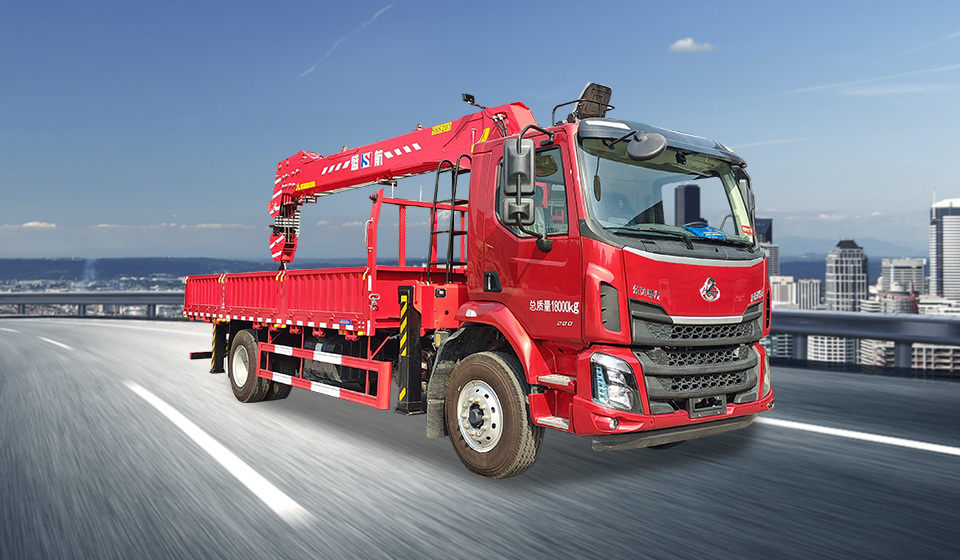
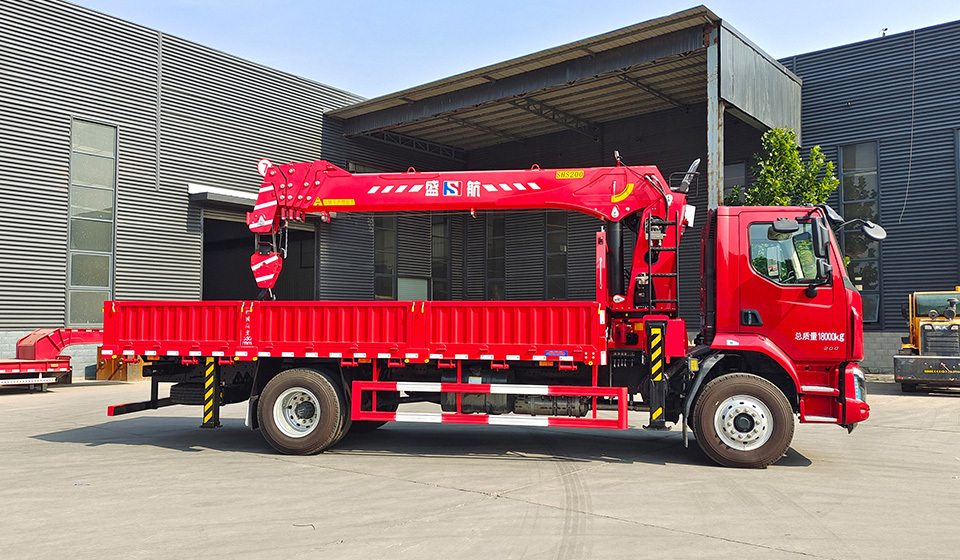
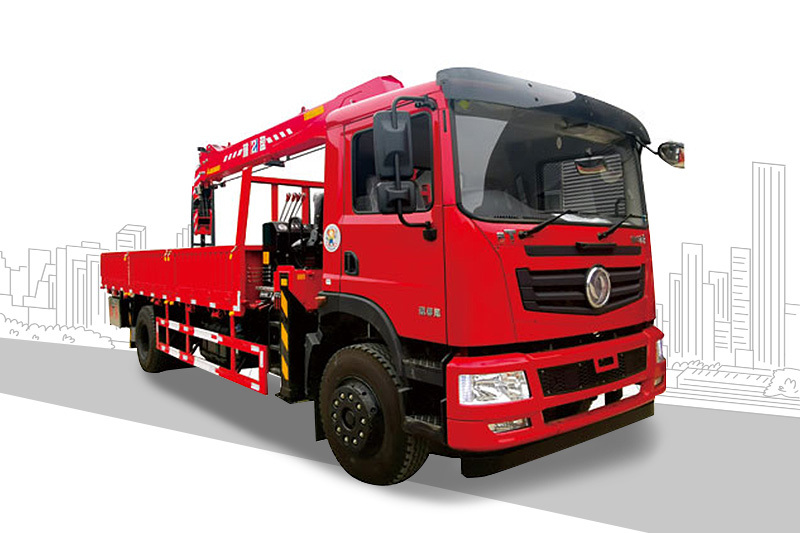
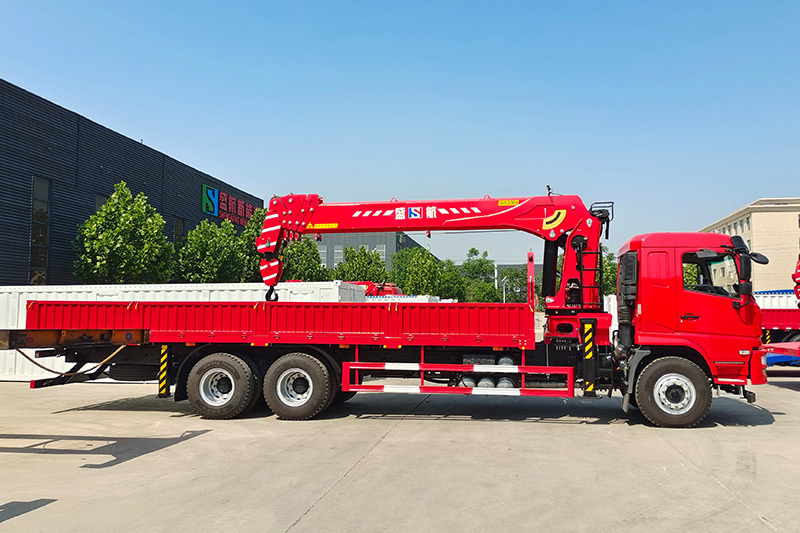
A truck crane is a versatile piece of heavy machinery that plays a crucial role in various construction and industrial applications. Combining the mobility of a truck with the lifting capabilities of a crane, truck cranes are essential for transporting heavy loads to remote locations and lifting them into place. This article will explore the various aspects of truck cranes, including their design, functionality, applications, advantages, and safety considerations.
**Design and Functionality**
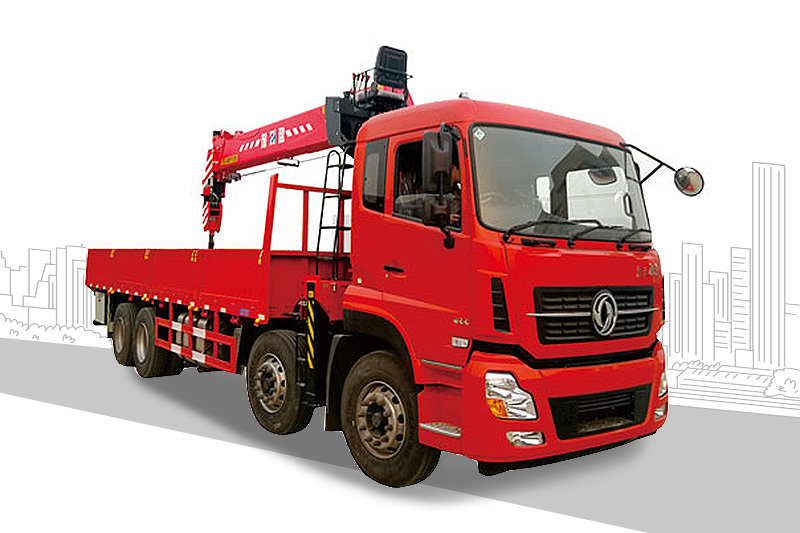
Truck cranes are designed to be mounted on a truck chassis, which provides them with the necessary mobility to travel on public roads and reach job sites. The crane component typically consists of a telescopic boom that can extend and retract, allowing for a wide range of lifting heights and reach. The truck crane's boom can rotate 360 degrees, enabling it to lift and place loads in various directions without needing to reposition the vehicle.
The hydraulic system is a critical feature of truck cranes, providing the power needed to extend the boom and lift heavy objects. Hydraulic cylinders operate the boom, allowing for s mooth and controlled movements. Many modern truck cranes are equipped with advanced control systems that enhance precision and ease of operation. Operators can control the crane from the cab or from a remote location, providing flexibility and safety during lifting operations.
**Applications of Truck Cranes**
Truck cranes are utilized in a wide array of industries, making them indispensable in modern construction and logistics. One of the primary applications is in construction sites, where they are used to lift heavy materials such as steel beams, concrete panels, and prefabricated structures into place. Their mobility allows them to navigate tight spaces and access areas that may be challenging for larger cranes.
In addition to construction, truck cranes are commonly employed in the transportation and logistics sectors. They are often used to load and unload heavy cargo from trucks and shipping containers, streamlining the logistics process. Truck cranes can also be found in the oil and gas industry, where they assist in the installation and maintenance of equipment in remote locations.
Moreover, truck cranes are invaluable in emergency response situations. They can be deployed quickly to assist in disaster relief efforts, lifting debris, and rescuing trapped individuals. Their ability to travel on public roads makes them ideal for rapid deployment in critical situations.
**Advantages of Truck Cranes**
One of the significant advantages of truck cranes is their mobility. Unlike stationary cranes, truck cranes can easily transport themselves to various job sites without the need for additional transportation. This mobility saves time and reduces costs associated with transporting heavy machinery.
Another benefit is their versatility. Truck cranes can handle a wide range of lifting tasks, making them suitable for various applications across different industries. Their ability to operate in confined spaces further enhances their utility, allowing them to work in areas where larger cranes cannot fit.
Truck cranes are also relatively easy to set up and operate. With fewer components than larger cranes, they require less time for assembly and disassembly. This efficiency is particularly beneficial in projects with tight deadlines, where time is of the essence.
**Safety Considerations**
While truck cranes offer numerous advantages, safety is a paramount concern when operating this machinery. Operators must be trained and certified to ensure they understand the crane's capabilities and limitations. Proper training includes learning about load charts, stability, and the importance of maintaining a clear work area.
Before operating a truck crane, it is essential to conduct a thorough inspection to identify any potential issues. This inspection should include checking the hydraulic system, boom, and outriggers, as well as ensuring that all safety devices are functioning correctly. Operators must also be aware of environmental factors, such as wind speed and ground conditions, which can affect the crane's stability and lifting capabilities.
Additionally, effective communication among crew members is crucial during lifting operations. Establishing clear signals and protocols can help prevent accidents and ensure that everyone is aware of the operation's progress. The use of spotters can also enhance safety by providing an additional set of eyes to monitor the lifting process.
**Conclusion**
In conclusion, truck cranes are an essential component of modern construction and logistics. Their unique design, combining mobility with lifting capabilities, allows them to perform a wide range of tasks in various industries. From construction sites to emergency response efforts, truck cranes provide the versatility and efficiency needed to handle heavy loads in challenging environments.
While the advantages of truck cranes are numerous, it is vital to prioritize safety and proper training to minimize risks associated with their operation. As technology continues to advance, truck cranes will likely evolve further, incorporating new features that enhance their functionality and safety. With their significant role in the construction and logistics sectors, truck cranes will remain a vital tool for years to come.

Get A Free Product Quote
Fill in your phone and email information, we will contact you within one working day and solve your problem as soon as possible.
Shenghang Special Purpose Vehicle
Toll Free Hotline:400-059-0596
Tel:0086-311-85426885
Whatsapp:8618830151313(Sophia)