



Categories:
- Product Description
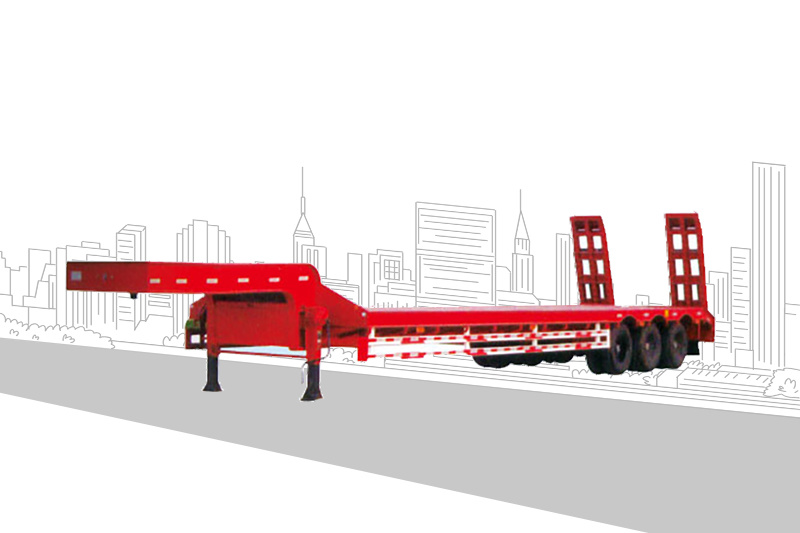
Low flatbed semi-trailer
-
- Commodity name: Low flatbed semi-trailer
**Low Flatbed Semi-Trailer**
The low flatbed semi-trailer is a crucial component in the logistics and transportation industry. Designed for carrying heavy loads and oversized cargo, this type of trailer offers unique advantages that make it an essential tool for various sectors, including construction, agriculture, and manufacturing. This article explores the features, benefits, and applications of low flatbed semi-trailers, along with considerations for choosing the right model for specific needs.
**Design and Features**
A low flatbed semi-trailer is characterized by its low profile, which allows for a lower center of gravity and greater stability when transporting heavy items. The deck height is significantly reduced compared to standard flatbed trailers, making it easier to load and unload heavy equipment or oversized goods.
Typically, the design includes a flat, open deck without side walls, allowing for versatile loading options. The trailer may feature adjustable ramps, which facilitate the loading of machinery or vehicles with low ground clearance. Additionally, many low flatbed semi-trailers come equipped with stake pockets, tie-down points, and various types of securing mechanis ms to ensure that cargo is safely transported.
**Benefits of Low Flatbed Semi-Trailers**
1. **Versatility**: Low flatbed semi-trailers are incredibly versatile, capable of transporting a wide range of cargo types. From heavy machinery like bulldozers and excavators to construction materials and large industrial equipment, these trailers can accommodate various loads, making them indispensable for different industries.
2. **Enhanced Stability**: The low profile of these trailers contributes to improved stability, reducing the risk of tipping over during transport. This feature is particularly important when carrying heavy or unevenly distributed loads, as it enhances safety for both the driver and other road users.
3. **Ease of Loading and Unloading**: The design of low flatbed semi-trailers allows for easier loading and unloading. The low deck height means that ramps can be used with minimal incline, making it simpler to drive vehicles or roll equipment onto the trailer. This efficiency can save time and labor costs during transportation.
4. **Compliance with Height Regulations**: Many jurisdictions have strict height regulations for vehicles on the road. The low profile of flatbed semi-trailers helps ensure compliance with these regulations, allowing operators to transport tall loads without exceeding legal height limits.
**Applications in Various Industries**
Low flatbed semi-trailers find applications across numerous industries due to their adaptability and functionality.
1. **Construction Industry**: In the construction sector, these trailers are frequently used to transport heavy machinery, such as cranes, bulldozers, and backhoes. The ability to load and unload equipment easily makes them a favorite among construction companies.
2. **Agriculture**: Farmers often use low flatbed semi-trailers to transport large agricultural equipment, such as tractors and harvesters. The stability and low loading height make it easier to move these heavy machines between fields and job sites.
3. **Manufacturing**: In manufacturing, low flatbed semi-trailers are utilized to move large and heavy products, including steel beams, large machinery, and components for assembly lines. Their ability to accommodate oversized loads is a significant advantage in this sector.
4. **Transportation and Logistics**: Logistics companies rely on low flatbed semi-trailers for transporting goods across long distances. Their versatility allows for the transportation of various cargo types, making them a valuable asset in supply chain management.
**Choosing the Right Low Flatbed Semi-Trailer**
When selecting a low flatbed semi-trailer, several factors should be considered to ensure it meets specific operational needs.
1. **Load Capacity**: It is essential to choose a trailer with an appropriate load capacity for the intended use. Overloading a trailer can lead to safety hazards and potential damage to both the trailer and the cargo.
2. **Deck Length and Width**: The dimensions of the trailer's deck should match the size of the cargo being transported. A longer deck may be necessary for oversized loads, while a wider deck may be required for stability when carrying wider items.
3. **Material and Construction**: The materials used in the construction of the trailer can impact its durability and weight. Steel trailers are often more robust, while aluminum trailers may offer a lighter option for increased fuel efficiency.
4. **Suspension System**: A quality suspension system is vital for maintaining stability during transport. Look for trailers with air or spring suspension systems that can absorb shocks and provide a s moother ride for both the driver and the cargo.
5. **Braking System**: Safety is paramount when transporting heavy loads. Ensure that the trailer is equipped with an effective braking system, such as air brakes or electric brakes, to provide reliable stopping power.
**Conclusion**
In conclusion, low flatbed semi-trailers are an integral part of the transportation and logistics landscape. Their unique design and features allow for the safe and efficient transport of heavy and oversized loads across various industries. By understanding the benefits and applications of these trailers, as well as considering the key factors when choosing the right model, businesses can optimize their transportation operations and ensure the safe delivery of goods. As the demand for efficient logistics solutions continues to grow, low flatbed semi-trailers will remain a vital asset in the transportation sector.

Get A Free Product Quote
Fill in your phone and email information, we will contact you within one working day and solve your problem as soon as possible.
Shenghang Special Purpose Vehicle
Toll Free Hotline:400-059-0596
Tel:0086-311-85426885
Whatsapp:8618830151313(Sophia)