



Categories:
Label:
- Product Description
Storehouse semi-trailer
-
- Commodity name: Storehouse semi-trailer
**Storehouse Semi-Trailer**
The logistics and transportation industry has witnessed significant advancements over the years, leading to increased efficiency and productivity. Among the many innovations that have emerged, the storehouse semi-trailer stands out as a vital component in modern supply chain management. This article delves into the various aspects of storehouse semi-trailers, including their design, functionality, benefits, and future prospects.
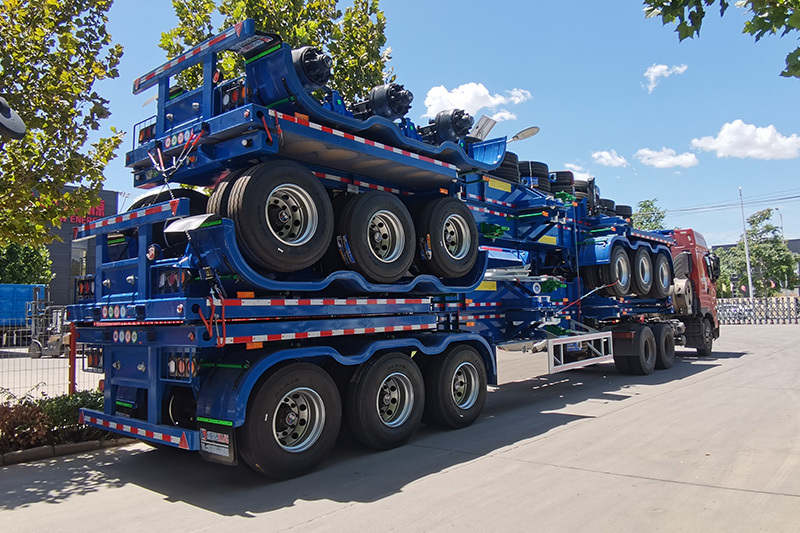
Storehouse semi-trailers are specialized trailers designed to facilitate the transportation and storage of goods. Unlike standard semi-trailers, which are primarily focused on transportation, storehouse semi-trailers combine the features of both a mobile warehouse and a transport vehicle. This unique design allows businesses to optimize their logistics processes by providing flexible storage solutions while on the move.
One of the key features of storehouse semi-trailers is their modular design. They often come with adjustable shelving, temperature control systems, and various compartments tailored for different types of goods. This adaptability makes them suitable for a wide range of industries, including food and beverage, pharmaceuticals, and retail. For example, a storehouse semi-trailer equipped with temperature control can transport perishable goods while ensuring they remain fresh during transit.
In addition to their versatility, storehouse semi-trailers are designed with safety and security in mind. They often come with advanced locking mechanis ms, surveillance systems, and alarm features to protect valuable cargo. This is particularly important in today’s world, where the risk of theft and damage during transportation is a significant concern for businesses. By utilizing a storehouse semi-trailer, companies can enhance the security of their goods, providing peace of mind for both the business and its customers.
Another significant advantage of storehouse semi-trailers is their ability to streamline the supply chain process. Traditional warehousing often involves multiple steps, including unloading, storing, and reloading goods. This can be time-consuming and costly. However, with a storehouse semi-trailer, goods can be loaded directly at the point of origin and transported to their final destination without the need for intermediate storage. This not only reduces handling time but also minimizes the risk of damage during transit.
Moreover, the use of storehouse semi-trailers can lead to significant cost savings for businesses. By reducing the need for multiple warehouses and the associated overhead costs, companies can allocate resources more efficiently. Additionally, the flexibility offered by these trailers allows businesses to respond quickly to changing market demands. For instance, during peak seasons, companies can increase their transport capacity without the need for long-term investments in additional warehouse space.
The environmental impact of transportation is another critical consideration in today’s logistics landscape. Storehouse semi-trailers can contribute to sustainability efforts by reducing the carbon footprint associated with traditional warehousing and transportation methods. By optimizing routes and minimizing the number of trips required, these trailers can help lower fuel consumption and emissions. Furthermore, many manufacturers are now producing eco-friendly semi-trailers made from sustainable materials, further enhancing their environmental credentials.
Despite the numerous benefits of storehouse semi-trailers, there are also challenges that businesses must navigate. One of the primary concerns is the initial investment required to acquire these specialized trailers. While they can lead to long-term savings, the upfront costs can be a barrier for some companies, particularly s maller businesses. However, many leasing options are available, allowing businesses to access these trailers without a substantial initial outlay.
Another challenge is the need for proper training and maintenance. Storehouse semi-trailers often come with advanced technology and features that require skilled personnel to operate effectively. Companies must invest in training their staff to ensure that they can maximize the benefits of these trailers. Additionally, regular maintenance is essential to keep the trailers in optimal condition, which can add to operational costs.
Looking ahead, the future of storehouse semi-trailers appears promising. With the continued growth of e-commerce and the increasing demand for fast and efficient delivery services, the need for innovative logistics solutions will only intensify. Storehouse semi-trailers are likely to evolve further, incorporating cutting-edge technologies such as IoT (Internet of Things) sensors for real-time tracking and monitoring of cargo conditions. This will enable businesses to enhance their supply chain visibility and improve overall efficiency.
In conclusion, storehouse semi-trailers play a crucial role in modern logistics and transportation. Their unique design, versatility, and ability to streamline supply chain processes make them an invaluable asset for businesses across various industries. While challenges exist, the benefits they offer in terms of cost savings, security, and environmental impact are significant. As the logistics landscape continues to evolve, storehouse semi-trailers will undoub tedly remain at the forefront of innovation, helping businesses meet the demands of an increasingly dynamic market.

Get A Free Product Quote
Fill in your phone and email information, we will contact you within one working day and solve your problem as soon as possible.
Shenghang Special Purpose Vehicle
Toll Free Hotline:400-059-0596
Tel:0086-311-85426885
Whatsapp:8618830151313(Sophia)