



Categories:
- Product Description
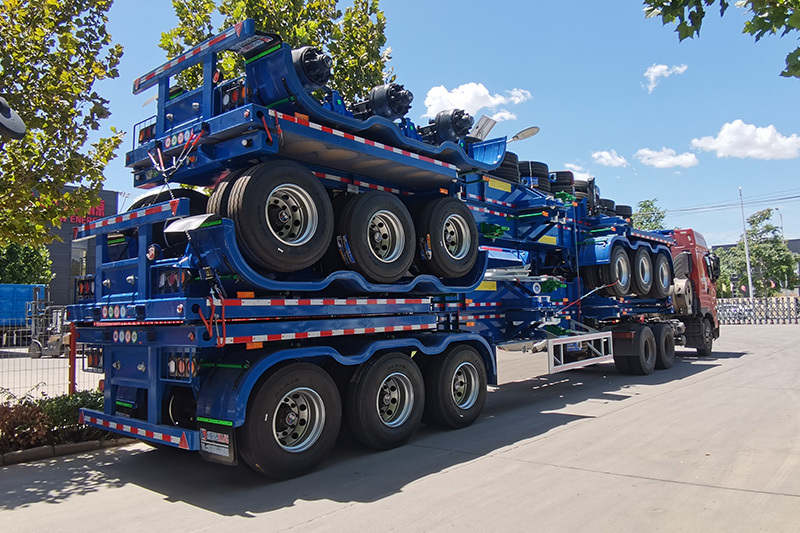
Flatbed Semi Trailer with Flip-Up/Loading Ramps for Self-Loading Capability
-
- Commodity name: Flatbed Semi Trailer with Flip-Up/Loading Ramps for Self-Loading Capability
**Flatbed Semi Trailer with Flip-Up/Loading Ramps for Self-Loading Capability**
In the realm of logistics and transportation, efficiency and versatility are paramount. Flatbed semi trailers have long been a staple in the industry, providing a reliable platform for transporting a wide variety of goods. However, as the demands of modern freight handling evolve, so too must the equipment used to meet these challenges. One innovative solution that has gained traction in recent years is the flatbed semi trailer equipped with flip-up/loading ramps, designed specifically for self-loading capabilities. This article explores the features, benefits, and applications of this advanced trailer design.
**Understanding Flatbed Semi Trailers**
Flatbed semi trailers are characterized by their open design, lacking sides or a roof, which allows for easy loading and unloading of oversized or irregularly shaped cargo. These trailers are often used to transport construction materials, machinery, and vehicles. The flat surface provides stability during transit, while the absence of walls facilitates quick and efficient loading processes. However, traditional flatbed trailers often require additional equipment, such as forklifts or cranes, to load and unload cargo, which can be time-consuming and costly.
**The Innovation of Flip-Up/Loading Ramps**
The introduction of flip-up/loading ramps has revolutionized the way flatbed semi trailers operate. These ramps are designed to be integrated into the trailer, allowing for a seamless transition between the ground and the trailer bed. When not in use, the ramps can be flipped up and secured, ensuring they do not interfere with the loading process or compromise the aerodynamics of the trailer during transit. When needed, the ramps can be quickly deployed, enabling self-loading capabilities without the need for additional equipment.
**Benefits of Self-Loading Capability**
1. **Increased Efficiency**: The self-loading feature significantly reduces the time required to load and unload cargo. Drivers can manage the entire process independently, minimizing delays associated with waiting for external loading equipment.
2. **Cost Savings**: By eliminating the need for forklifts or cranes, businesses can save on labor costs and equipment rental fees. This is particularly beneficial for s mall to medium-sized enterprises that may not have the budget for additional machinery.
3. **Enhanced Safety**: Self-loading capabilities reduce the risk of accidents associated with loading and unloading. Drivers can operate the ramps from the safety of the trailer, avoiding potential hazards related to external equipment and personnel.
4. **Versatility**: Flatbed semi trailers with flip-up/loading ramps can accommodate a wide range of cargo types, from heavy machinery to vehicles. This versatility makes them an ideal choice for various industries, including construction, agriculture, and automotive transport.
**Applications Across Industries**
The versatility of flatbed semi trailers with flip-up/loading ramps makes them suitable for numerous applications. In the construction industry, these trailers can transport heavy equipment such as excavators and bulldozers, allowing contractors to efficiently move machinery between job sites. In the agricultural sector, farmers can use these trailers to transport tractors, hay bales, and other large items without the need for additional loading equipment.
The automotive industry also benefits from this innovative trailer design. Car dealerships and auction houses can easily load and transport vehicles without relying on specialized loading equipment. This capability is particularly advantageous for businesses that require frequent vehicle transport, as it streamlines the process and reduces costs.
**Considerations When Choosing a Flatbed Semi Trailer**
When selecting a flatbed semi trailer with flip-up/loading ramps, there are several factors to consider. First and foremost, the weight capacity of the trailer should align with the types of cargo being transported. It is essential to ensure that the trailer can handle the maximum load without compromising safety or performance.
Additionally, the design and construction of the ramps are crucial. They should be made from durable materials that can withstand the stresses of loading and unloading heavy items. A non-slip surface is also beneficial to enhance safety during the loading process.
Finally, compatibility with existing fleet vehicles should be assessed. Ensuring that the trailer can be easily towed by the intended truck or tractor is essential for operational efficiency.
**Conclusion**
The flatbed semi trailer with flip-up/loading ramps for self-loading capability represents a significant advancement in the transportation industry. By combining efficiency, cost savings, and enhanced safety, this innovative design meets the evolving needs of businesses across various sectors. As logistics demands continue to grow, the adoption of such versatile and efficient equipment will be critical in maintaining competitive advantages in the market. Embracing this technology not only streamlines operations but also paves the way for a more efficient and productive future in freight transportation.

Get A Free Product Quote
Fill in your phone and email information, we will contact you within one working day and solve your problem as soon as possible.
Shenghang Special Purpose Vehicle
Toll Free Hotline:400-059-0596
Tel:0086-311-85426885
Whatsapp:8618830151313(Sophia)