



Categories:
Label:
- Product Description
Truck crean
-
- Commodity name: Truck crean
**Truck Cranes: An Essential Tool in Modern Construction**
Truck cranes have become an indispensable part of modern construction and heavy lifting operations. With their unique combination of mobility, versatility, and lifting power, these machines have transformed how heavy loads are transported and lifted in various industries. This article explores the significance, functionality, and advantages of truck cranes, as well as their applications in different sectors.
**Understanding Truck Cranes**
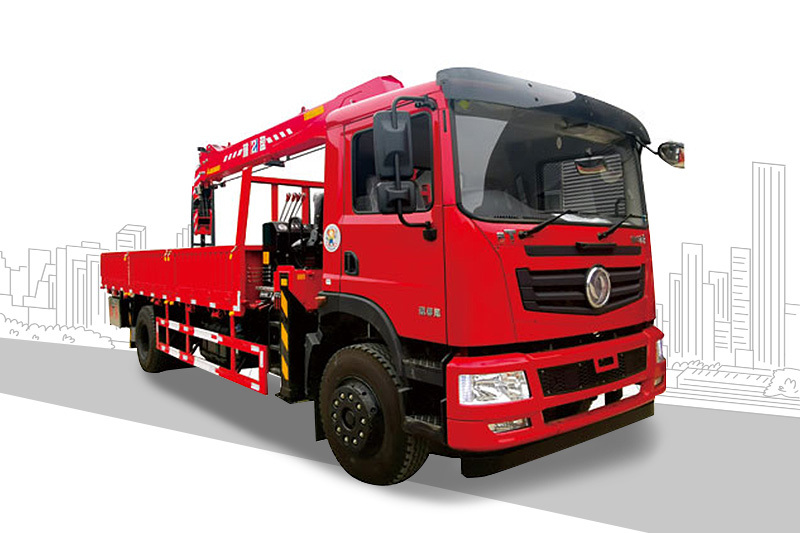
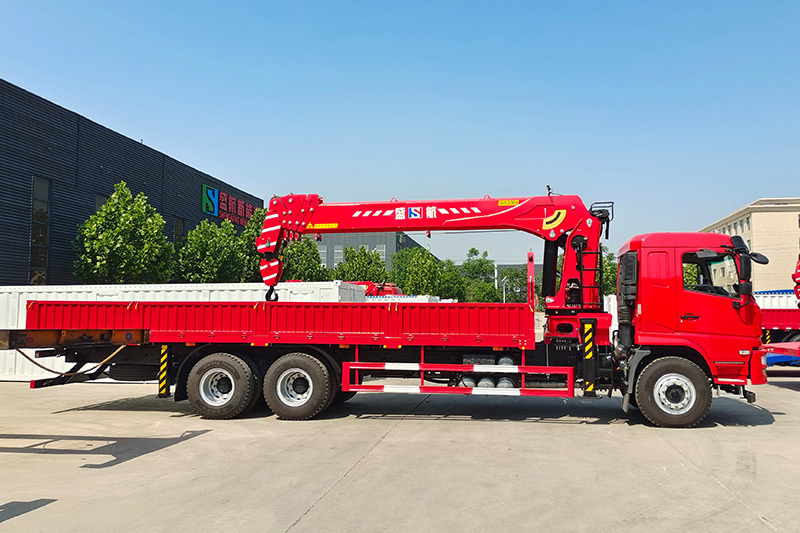
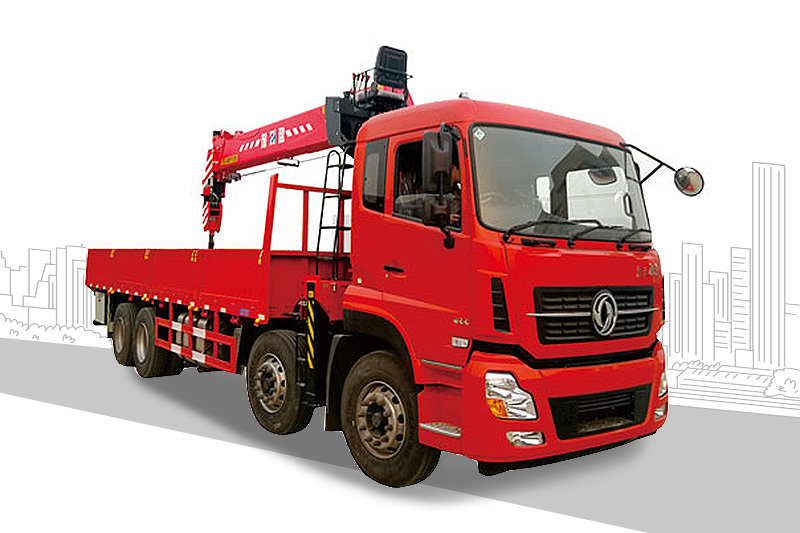
A truck crane is a type of crane mounted on a truck chassis, allowing it to be driven on public roads and moved easily from one job site to another. Unlike traditional cranes, which are often stationary and require extensive setup time, truck cranes provide the flexibility of being able to travel to various locations quickly. They are equipped with a telescopic boom that can extend to reach high places and lift heavy loads, making them ideal for construction projects, maintenance work, and other lifting tasks.
The design of truck cranes typically includes a rotating superstructure, a boom, and a counterweight. The truck's chassis provides the necessary mobility, while the crane's hydraulic system allows for s mooth operation and precise control of the lifting process. The combination of these features makes truck cranes suitable for a wide range of applications.
**Applications in Construction**
In the construction industry, truck cranes are often used for lifting and placing heavy materials, such as steel beams, concrete panels, and equipment. Their ability to quickly move between job sites makes them particularly valuable in urban environments where space is limited, and time is of the essence. Construction companies rely on truck cranes to expedite the building process, ensuring that projects stay on schedule and within budget.
For instance, during the construction of high-rise buildings, truck cranes are utilized to hoist materials to upper floors. Their telescopic booms can reach significant heights, allowing construction workers to position materials accurately. Additionally, truck cranes are essential for setting up temporary structures, such as scaffolding, which are crucial for safe and efficient construction practices.
**Advantages of Truck Cranes**
One of the primary advantages of truck cranes is their mobility. Unlike traditional cranes that require extensive setup and often need to be transported on flatbed trucks, truck cranes can be driven directly to the job site. This not only saves time but also reduces transportation costs, making them a cost-effective solution for many companies.
Another significant benefit is their versatility. Truck cranes can be used in various applications beyond construction, including road maintenance, bridge repairs, and even in the film industry for setting up large equipment. Their ability to operate in tight spaces and on uneven terrain adds to their appeal, as they can navigate challenging job sites that other cranes may find difficult to access.
Furthermore, truck cranes are designed with advanced safety features. Modern models are equipped with sensors and automatic systems that help prevent tipping and ensure safe lifting operations. Operators receive training to understand these safety protocols, minimizing the risk of accidents and injuries on the job.
**Challenges and Considerations**
While truck cranes offer numerous advantages, they also come with challenges. One of the main concerns is the weight and size limitations imposed by road regulations. Truck cranes must adhere to specific weight restrictions when traveling on public roads, which can limit their lifting capacity. This means that operators must carefully plan their operations to ensure they do not exceed these limits.
Additionally, weather conditions can impact the performance of truck cranes. High winds, rain, and snow can affect stability and visibility, posing risks during lifting operations. Operators must be trained to assess weather conditions and make informed decisions about when to operate the crane safely.
Another consideration is the need for skilled operators. Operating a truck crane requires specialized training and certification to ensure safety and efficiency. Companies must invest in training programs to develop competent operators who can navigate the complexities of crane operation.
**The Future of Truck Cranes**
As technology continues to evolve, the future of truck cranes looks promising. Innovations in automation, remote control, and telematics are making these machines more efficient and user-friendly. For example, some modern truck cranes come equipped with telematics systems that allow operators to monitor performance metrics, track maintenance schedules, and optimize fuel consumption.
Moreover, the integration of electric and hybrid technologies is gaining traction in the crane industry. These advancements aim to reduce the environmental impact of heavy machinery and provide a more sustainable solution for construction and lifting operations.
In conclusion, truck cranes play a vital role in the construction and heavy lifting sectors. Their mobility, versatility, and safety features make them an essential tool for a wide range of applications. While challenges exist, ongoing advancements in technology and operator training are set to enhance the effectiveness and safety of truck cranes in the future. As industries continue to evolve, truck cranes will undoub tedly remain a crucial component in meeting the demands of modern construction and lifting operations.

Get A Free Product Quote
Fill in your phone and email information, we will contact you within one working day and solve your problem as soon as possible.
Shenghang Special Purpose Vehicle
Toll Free Hotline:400-059-0596
Tel:0086-311-85426885
Whatsapp:8618830151313(Sophia)