



Categories:
Label:
- Product Description
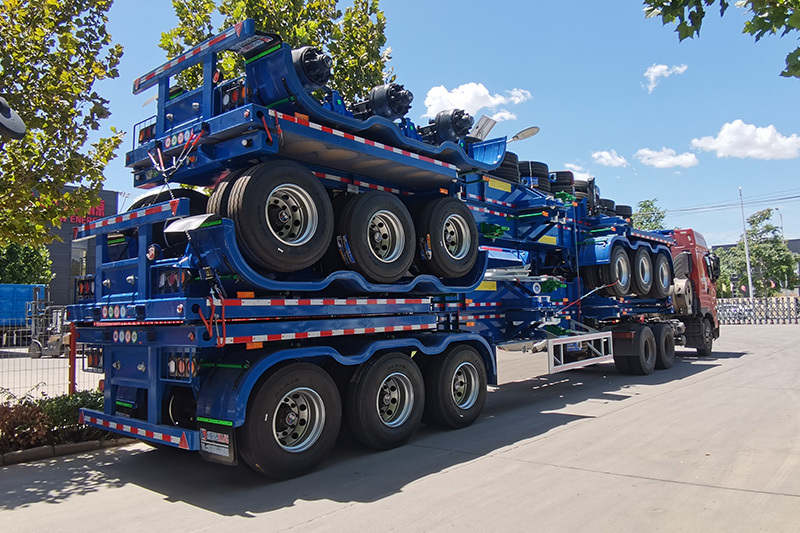
Low flatbed semi-trailer
-
- Commodity name: Low flatbed semi-trailer
Title: Low Flatbed Semi-Trailer
Introduction
In the world of transportation and logistics, the low flatbed semi-trailer stands out as an essential piece of equipment. This type of trailer is specifically designed to transport heavy and oversized loads that traditional trailers cannot accommodate. Its unique design and functionality make it a favorite among industries that require the movement of large machinery, construction materials, and other heavy items. In this article, we will explore the features, advantages, applications, and considerations of using low flatbed semi-trailers.
Design Features
Low flatbed semi-trailers are characterized by their low deck height, which is achieved through a unique design that includes a drop deck or a well. This design allows for a lower center of gravity, making it easier to load and unload heavy equipment. The trailer typically has a flat surface without side walls, providing flexibility in loading and unloading different types of cargo.
The construction of low flatbed semi-trailers usually involves robust materials such as steel or aluminum to ensure durability and strength. Many models also come equipped with various tie-down points and chains to secure loads during transit. Additionally, some trailers may feature removable or adjustable side rails, ramps, and gooseneck configurations to accommodate a wide range of cargo sizes and shapes.
Advantages of Low Flatbed Semi-Trailers
One of the primary advantages of low flatbed semi-trailers is their ability to transport oversized loads. The low deck height allows for the transportation of tall equipment without exceeding height restrictions, making them ideal for industries such as construction, mining, and agriculture. This feature also enhances stability during transport, reducing the risk of tipping or swaying, especially on uneven terrain.
Another significant advantage is the ease of loading and unloading. The flat surface allows for various loading methods, including cranes, forklifts, and ramps. This versatility is particularly beneficial when dealing with heavy machinery or large construction materials that require specialized handling equipment.
Low flatbed semi-trailers are also designed for efficiency. Many models are equipped with air ride suspension systems, which provide a smoother ride and reduce wear and tear on both the trailer and the cargo. This is especially important when transporting sensitive equipment that can be damaged by excessive vibration or jolting during transit.
Applications
The applications of low flatbed semi-trailers are vast and varied. They are commonly used in construction to transport heavy machinery such as excavators, bulldozers, and cranes. The ability to accommodate oversized loads makes them indispensable for moving large equipment to and from job sites.
In the agricultural sector, low flatbed semi-trailers are used to transport tractors, harvesters, and other farming equipment. Their low deck height allows farmers to move their machinery without worrying about height restrictions on roads and bridges.
The transportation of industrial equipment is another significant application. Factories and manufacturing plants often require the movement of large machines, boilers, and generators, which can easily be accommodated by low flatbed semi-trailers. These trailers provide the necessary support and stability for such heavy loads, ensuring they arrive at their destination safely.
Considerations When Using Low Flatbed Semi-Trailers
While low flatbed semi-trailers offer numerous benefits, there are also considerations that operators must keep in mind. One of the primary concerns is weight distribution. Proper weight distribution is crucial for maintaining stability during transport. Overloading one side of the trailer can lead to tipping or loss of control while driving.
Operators must also be aware of local regulations regarding oversized loads. Each state or country may have different rules concerning permits, routes, and height restrictions. It is essential to research and comply with these regulations to avoid fines or delays.
Another consideration is maintenance. Regular inspections and maintenance are necessary to ensure the trailer remains in good condition. This includes checking the suspension system, tires, brakes, and overall structural integrity. Neglecting maintenance can lead to safety hazards and costly repairs.
Conclusion
Low flatbed semi-trailers play a vital role in the transportation of heavy and oversized loads across various industries. Their unique design, coupled with their numerous advantages, makes them an essential tool for logistics and transportation professionals. By understanding their features, applications, and considerations, operators can maximize the efficiency and safety of their operations. As industries continue to evolve and demand for specialized transportation grows, low flatbed semi-trailers will remain a crucial asset in the logistics landscape.

Get A Free Product Quote
Fill in your phone and email information, we will contact you within one working day and solve your problem as soon as possible.
Shenghang Special Purpose Vehicle
Toll Free Hotline:400-059-0596
Tel:0086-311-85426885
Whatsapp:8618830151313(Sophia)