



Categories:
Label:
- Product Description
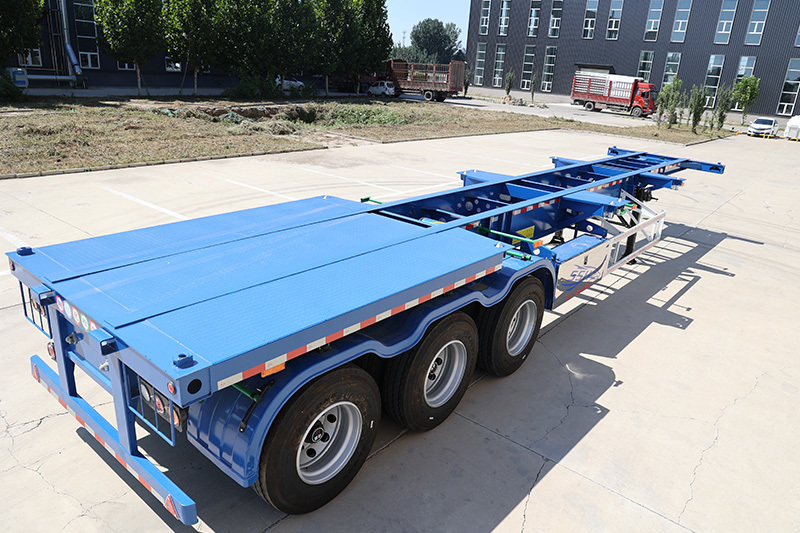
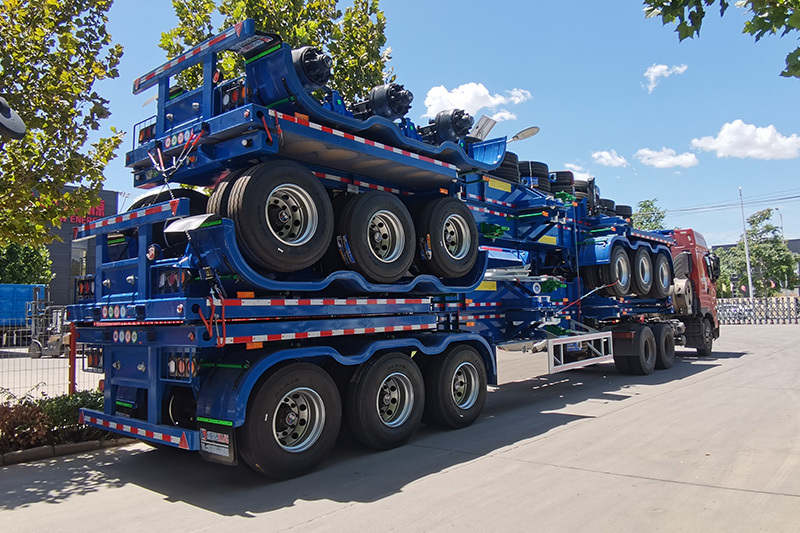
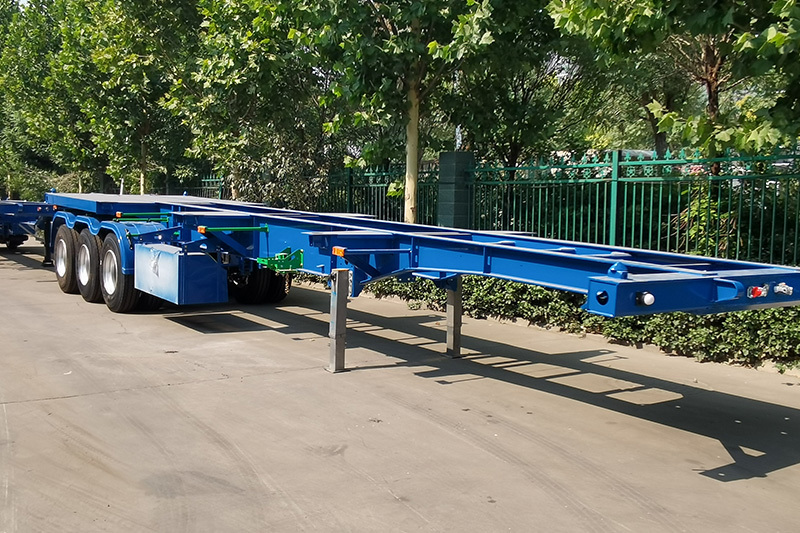
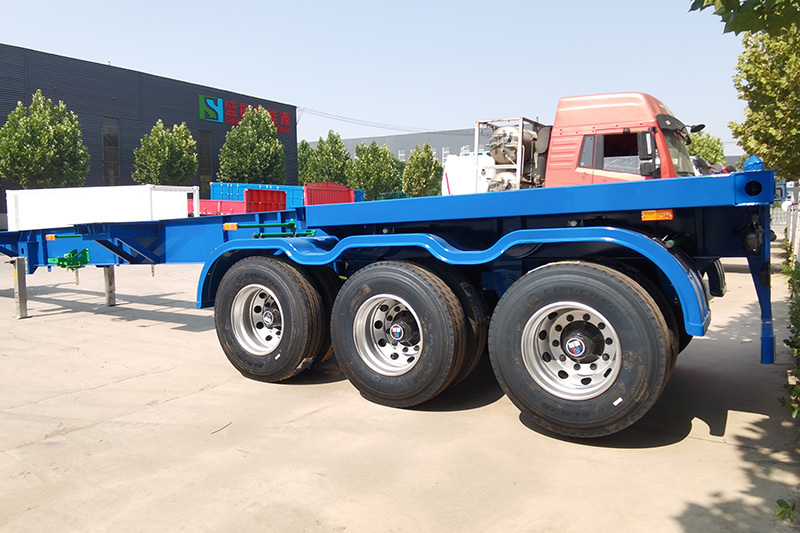
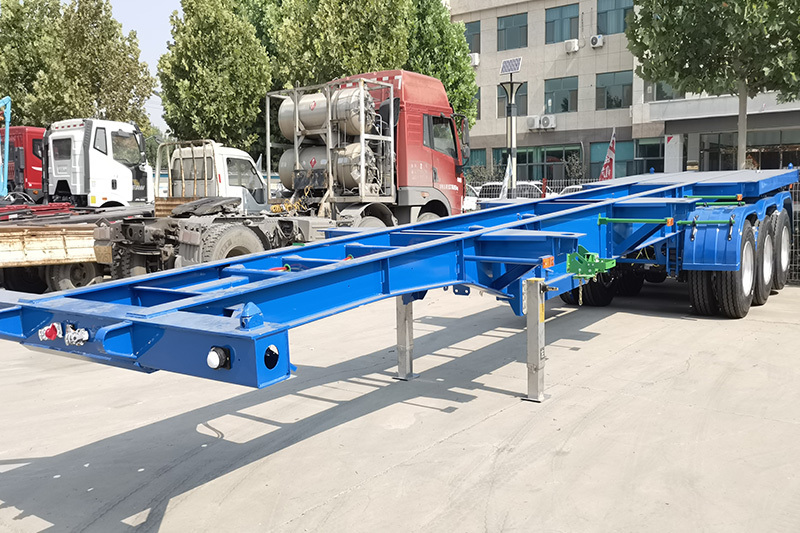
Skeleton car
-
- Commodity name: Skeleton car
**Skeleton Car**
The concept of a "skeleton car" evokes images of an innovative and stripped-down vehicle that emphasizes essential functionality over superfluous features. This term can refer to various automotive designs, ranging from minimalist electric vehicles to racing prototypes that focus on weight reduction. In this article, we will explore the evolution of skeleton cars, their design principles, and their implications for the future of the automotive industry.
**The Evolution of Skeleton Cars**
The idea of a skeleton car is not new. The automotive industry has a long history of experimentation with lightweight materials and minimalist designs. In the early days of motoring, cars were built with a focus on simplicity and practicality. As technology advanced, manufacturers began to add more features, leading to heavier and more complex vehicles. However, as environmental concerns and fuel efficiency became increasingly important, the industry saw a resurgence in the interest in lightweight and efficient designs.
One of the most notable examples of a skeleton car is the Lotus 7, produced in the 1950s. This car was designed with a simple chassis and minimal bodywork, prioritizing performance and driving experience. Its lightweight construction allowed for exceptional handling and speed, making it a favorite among driving enthusiasts. The Lotus 7 set a precedent for future designs that would prioritize weight savings and agility.
**Design Principles of Skeleton Cars**
At the core of the skeleton car concept is the principle of minimalis m. These vehicles are stripped of unnecessary components, focusing on what truly matters: performance, efficiency, and driver experience. A skeleton car typically features a lightweight frame, often made from materials such as aluminum or carbon fiber, which reduces overall weight without sacrificing strength.
Another key design element is the use of electric powertrains. Many modern skeleton cars incorporate electric motors, which are inherently lighter and more efficient than traditional internal combustion engines. This shift towards electrification not only reduces weight but also lowers emissions, aligning with global efforts to combat climate change.
The interior of a skeleton car is often just as minimalist as the exterior. Many designs eliminate traditional features like extensive infotainment systems and plush seating in favor of a more functional layout. The focus is on the driving experience, with controls designed for ease of use and visibility. This approach appeals to a growing demographic of consumers who prioritize simplicity and functionality over luxury.
**Implications for the Automotive Industry**
The rise of skeleton cars has significant implications for the future of the automotive industry. As consumers become more environmentally conscious, there is an increasing demand for vehicles that are both efficient and sustainable. Skeleton cars, with their lightweight designs and electric powertrains, offer a compelling solution to these concerns.
Moreover, the shift towards minimalis m in automotive design reflects broader societal trends. In a world overwhelmed by technology and complexity, many individuals are seeking simplicity and clarity in their lives. Skeleton cars embody this desire, providing a straightforward and enjoyable driving experience without the distractions of modern technology.
However, the adoption of skeleton cars is not without challenges. One of the primary obstacles is consumer perception. Many buyers associate luxury and comfort with the presence of numerous features and amenities. Educating consumers about the benefits of minimalist designs and lightweight vehicles will be crucial for the success of skeleton cars in the mainstream market.
**The Future of Skeleton Cars**
Looking ahead, the future of skeleton cars appears promising. As advancements in materials science and electric vehicle technology continue to evolve, we can expect to see even more innovative designs that push the boundaries of what a vehicle can be. Concepts like autonomous driving and s mart technology integration could be seamlessly combined with the skeleton car philosophy, creating vehicles that are not only lightweight and efficient but also equipped with cutting-edge features.
Moreover, the rise of the circular economy may further influence the design and production of skeleton cars. By focusing on sustainability and resource efficiency, manufacturers can create vehicles that minimize waste and maximize the use of recycled materials. This approach aligns with the growing demand for environmentally responsible practices in all industries, including automotive.
In conclusion, the skeleton car represents a significant shift in automotive design philosophy, emphasizing simplicity, efficiency, and performance. As the industry continues to evolve in response to changing consumer preferences and environmental concerns, we can expect to see more skeleton cars on the roads. These vehicles not only challenge traditional notions of what a car should be but also pave the way for a more sustainable and enjoyable driving experience. Embracing the skeleton car concept may very well be the key to a greener and more efficient automotive future.

Get A Free Product Quote
Fill in your phone and email information, we will contact you within one working day and solve your problem as soon as possible.
Shenghang Special Purpose Vehicle
Toll Free Hotline:400-059-0596
Tel:0086-311-85426885
Whatsapp:8618830151313(Sophia)