

Categories:
Label:
- Product Description
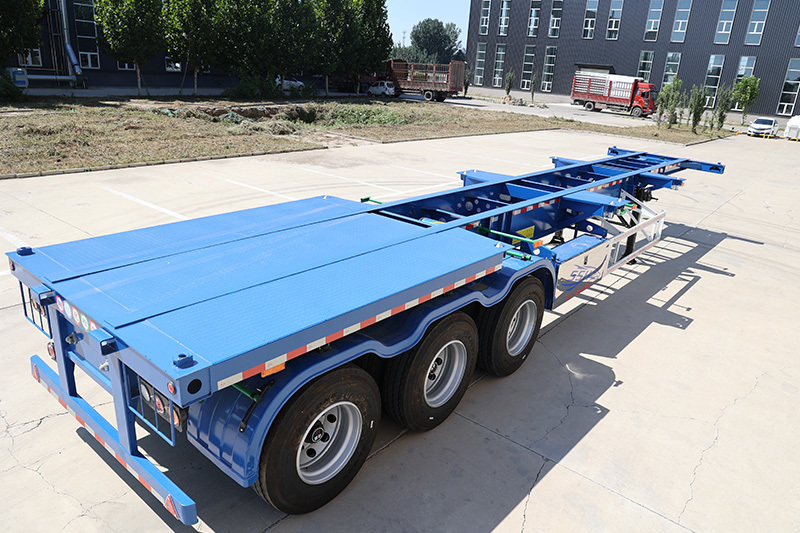
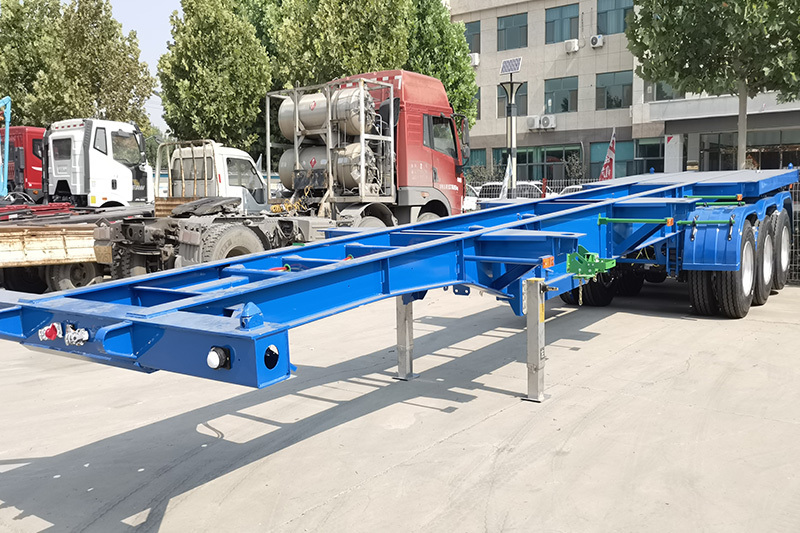
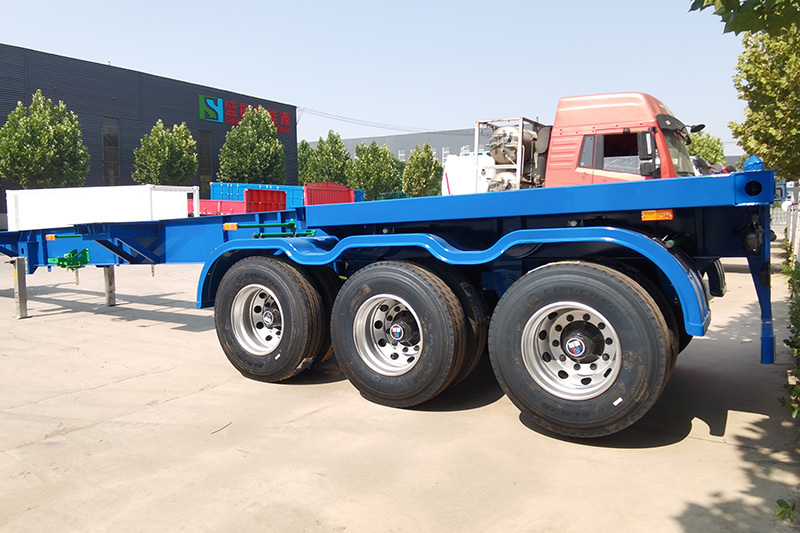
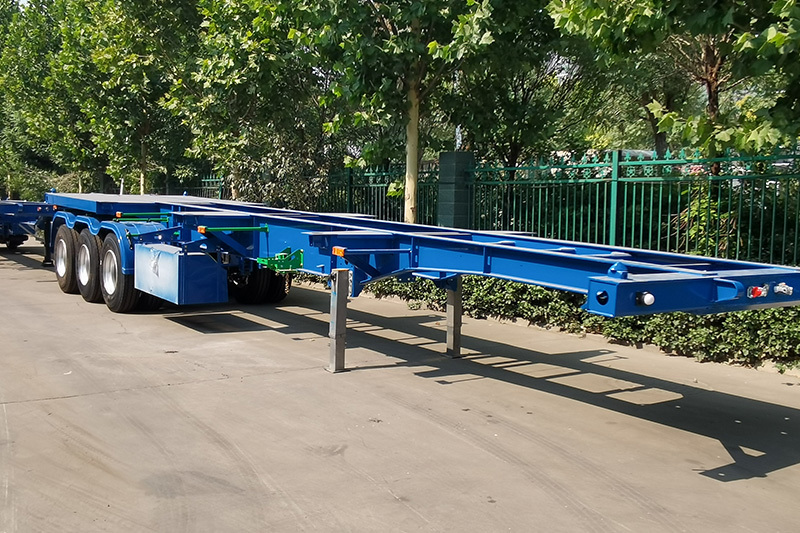
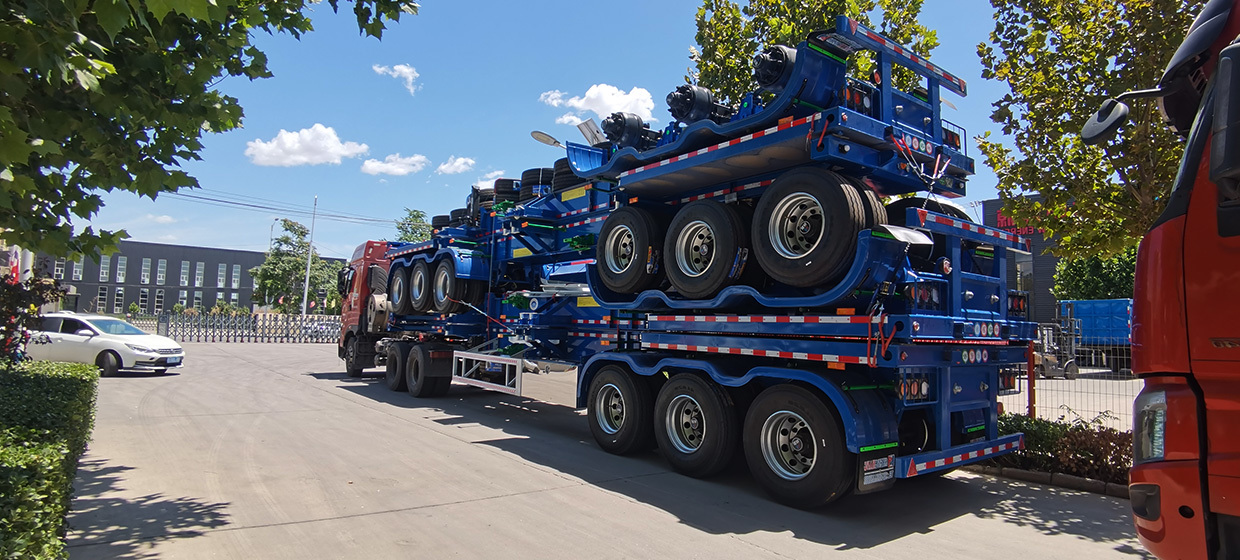
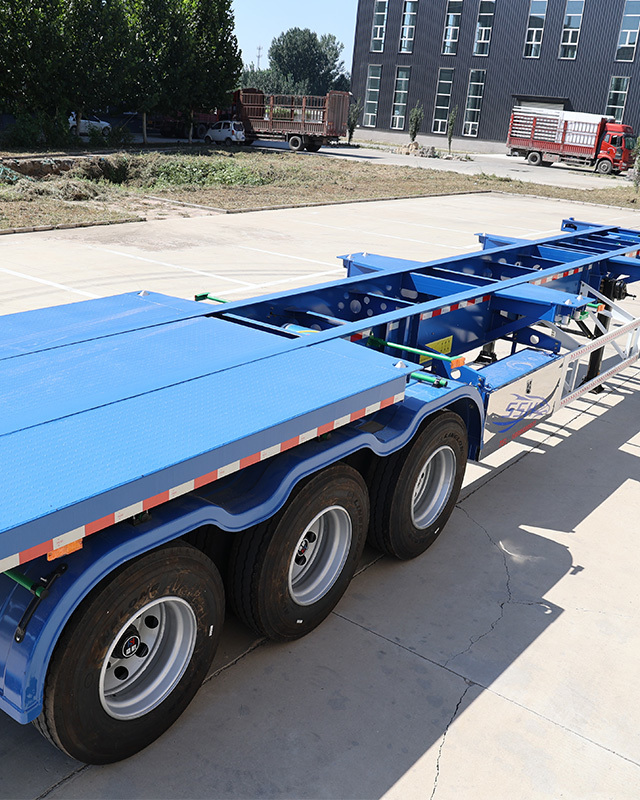
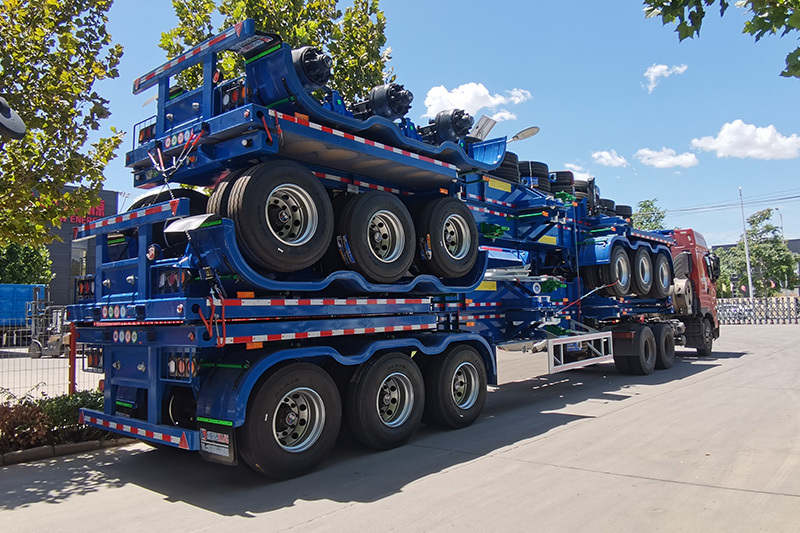
Skeleton container semi-trailer
-
- Commodity name: Skeleton container semi-trailer
**Skeleton Container Semi-Trailer**
In the realm of logistics and transportation, the skeleton container semi-trailer plays a pivotal role in facilitating the efficient movement of cargo. This specialized type of trailer is designed to carry containers without a solid body, making it lightweight and versatile. In this article, we will explore the structure, advantages, applications, and future trends of skeleton container semi-trailers.
**Understanding the Structure of Skeleton Container Semi-Trailers**
A skeleton container semi-trailer is characterized by its minimalistic design. Unlike traditional trailers that have a full-bodied structure, a skeleton trailer consists of a skeletal framework that supports ISO containers. This framework typically includes a set of longitudinal beams and cross members, providing the necessary strength while keeping the weight to a minimum. The design allows for easy loading and unloading of containers, as they can be directly placed onto the skeletal frame.
The primary components of a skeleton container semi-trailer include the chassis, axles, wheels, and coupling mechanis ms. The chassis is engineered to withstand heavy loads and is often made from high-strength steel or aluminum alloys. The axles and wheels are designed to provide stability and s mooth transportation, while the coupling mechanis ms ensure a secure connection to the tractor unit.
**Advantages of Skeleton Container Semi-Trailers**
One of the most significant advantages of skeleton container semi-trailers is their lightweight nature. The absence of a solid body reduces the overall weight of the trailer, allowing for increased payload capacity. This feature is particularly beneficial in logistics, where maximizing cargo loads is crucial for profitability.
Additionally, skeleton trailers offer enhanced flexibility. They can accommodate various container sizes, including standard 20-foot and 40-foot containers, making them suitable for diverse shipping needs. This adaptability allows logistics companies to respond quickly to changing market demands.
Another advantage is the ease of loading and unloading. The open design of the skeleton trailer enables quick access to containers, streamlining the logistics process. This efficiency reduces turnaround times at ports and distribution centers, contributing to improved supply chain performance.
**Applications of Skeleton Container Semi-Trailers**
Skeleton container semi-trailers are widely used in various sectors of the transportation industry. One of the primary applications is in intermodal transport, where containers are transferred between different modes of transportation, such as ships, trains, and trucks. The ability to easily switch containers between these modes is a key advantage of skeleton trailers, facilitating seamless logistics operations.
Furthermore, these trailers are commonly employed in port operations. Ports often have high volumes of container traffic, and skeleton trailers allow for efficient movement of containers to and from ships. The quick loading and unloading capabilities of skeleton trailers help reduce congestion at ports, ensuring that vessels can be turned around swiftly.
In addition to intermodal transport and port operations, skeleton container semi-trailers are also utilized in regional and long-haul trucking. Their lightweight design allows trucking companies to maximize their payloads while maintaining compliance with weight regulations. This capability is essential for businesses aiming to reduce transportation costs and improve overall efficiency.
**Future Trends in Skeleton Container Semi-Trailers**
As the logistics and transportation industries continue to evolve, so too will the design and functionality of skeleton container semi-trailers. One notable trend is the increasing focus on sustainability. With growing concerns about environmental impact, manufacturers are exploring ways to produce lighter and more efficient trailers. Innovations in materials, such as advanced composites, may lead to even lighter skeleton trailers that can further increase payload capacities.
Additionally, the integration of technology is set to revolutionize the industry. S mart trailers equipped with GPS tracking, telematics, and load monitoring systems will enable logistics companies to optimize their operations. These technologies can provide real-time data on trailer performance, helping companies make informed decisions about maintenance and route planning.
Moreover, the rise of e-commerce is expected to drive demand for skeleton container semi-trailers. As online shopping continues to grow, the need for efficient and flexible logistics solutions will become increasingly important. Skeleton trailers, with their adaptability and efficiency, are well-positioned to meet this demand.
**Conclusion**
In summary, skeleton container semi-trailers are an essential component of modern logistics and transportation. Their lightweight design, flexibility, and ease of use make them ideal for a variety of applications, from intermodal transport to port operations. As the industry continues to evolve, we can expect to see advancements in technology and sustainability that will further enhance the capabilities of these trailers. Ultimately, skeleton container semi-trailers will remain a critical asset in the ever-changing landscape of global trade and transportation.

Get A Free Product Quote
Fill in your phone and email information, we will contact you within one working day and solve your problem as soon as possible.
Shenghang Special Purpose Vehicle
Toll Free Hotline:400-059-0596
Tel:0086-311-85426885
Whatsapp:8618830151313(Sophia)