


Categories:
Label:
- Product Description
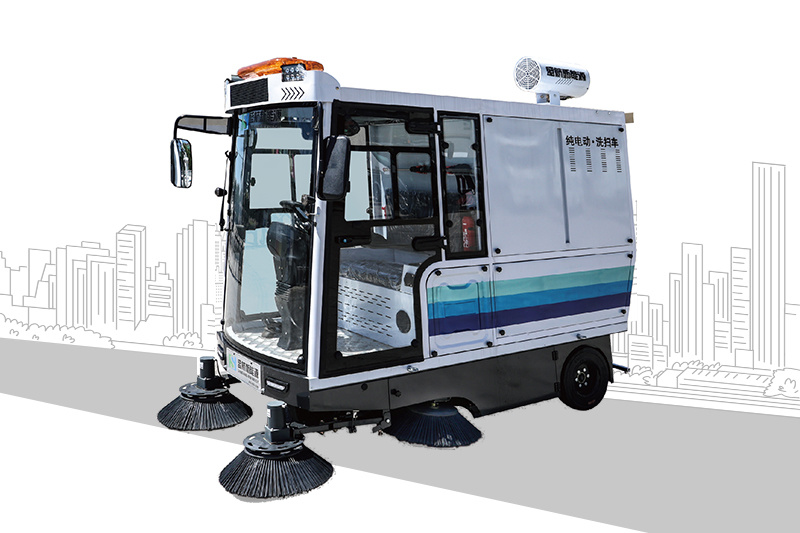
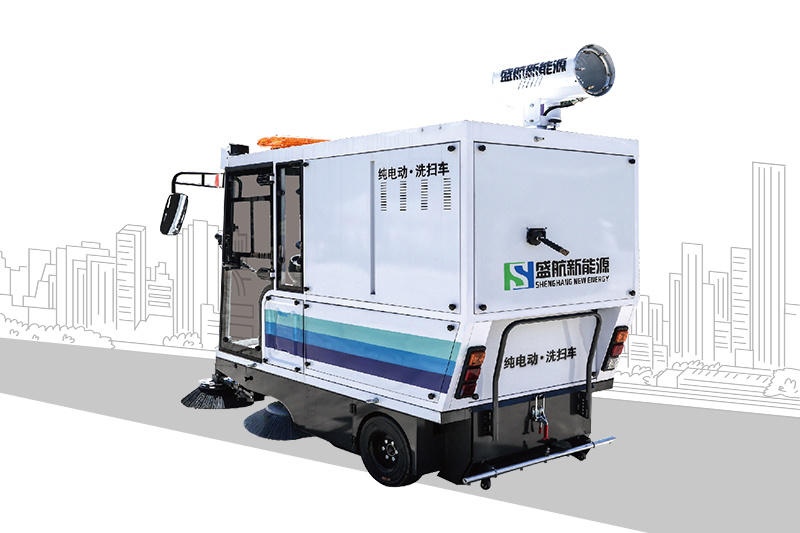
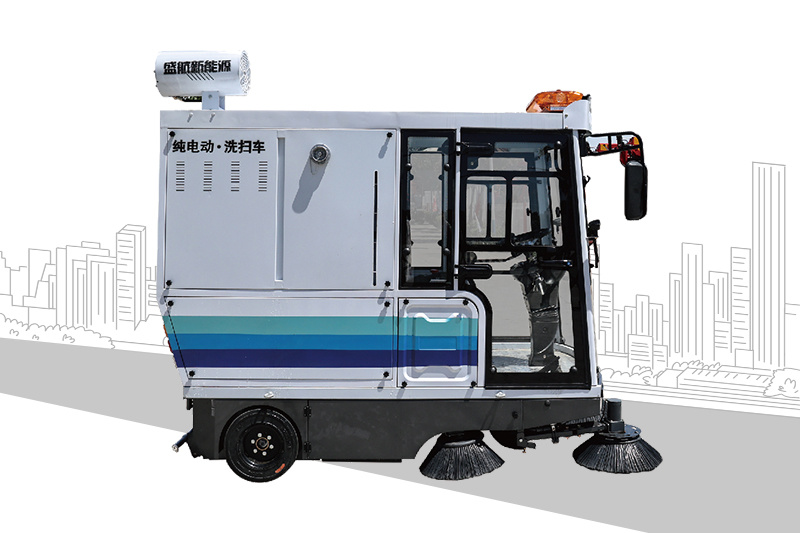
New energy electric cleaning vehicle
-
- Commodity name: New energy electric cleaning vehicle
**New Energy Electric Cleaning Vehicle**
In recent years, the push for sustainability and environmental protection has led to significant advancements in various industries, including transportation. One of the most promising innovations in this area is the new energy electric cleaning vehicle (NEECV). This vehicle not only offers a cleaner alternative to traditional cleaning methods but also contributes to reducing the carbon footprint of urban environments. In this article, we will explore the features, benefits, and future prospects of NEECVs.
**Understanding New Energy Electric Cleaning Vehicles**
New energy electric cleaning vehicles are designed to operate on electric power, utilizing advanced battery technology to minimize emissions and noise pollution. These vehicles are specifically built for cleaning urban spaces, such as streets, sidewalks, and public parks. They come equipped with various cleaning mechanis ms, including vacuum systems, water spray systems, and brush attachments, allowing them to perform a wide range of cleaning tasks effectively.
The design of NEECVs focuses on efficiency and sustainability. By using electric motors instead of internal combustion engines, these vehicles produce zero tailpipe emissions, making them an environmentally friendly choice for municipal cleaning operations. Furthermore, many models incorporate regenerative braking systems that help recharge the batteries while the vehicle is in motion, enhancing overall energy efficiency.
**Advantages of New Energy Electric Cleaning Vehicles**
The advantages of NEECVs are manifold, making them an attractive option for cities aiming to enhance their cleaning operations. First and foremost, the reduction of greenhouse gas emissions is a significant benefit. Traditional cleaning vehicles, which often run on diesel or gasoline, contribute to air pollution and climate change. In contrast, NEECVs help improve air quality and reduce the urban heat island effect.
Another advantage is the lower operational cost associated with electric vehicles. While the initial investment in NEECVs may be higher than that of conventional cleaning vehicles, the long-term savings are substantial. Electric vehicles typically have lower maintenance costs due to fewer moving parts and reduced wear and tear. Additionally, the cost of electricity is generally lower than that of fossil fuels, leading to decreased fuel expenses over time.
Moreover, NEECVs operate more quietly than their traditional counterparts, reducing noise pollution in urban areas. This is particularly beneficial during nighttime cleaning operations, where minimizing noise can improve the quality of life for residents. The quiet operation also allows for cleaning activities to take place during the day without disrupting traffic and pedestrian flow.
**Challenges Facing New Energy Electric Cleaning Vehicles**
Despite their numerous benefits, NEECVs face several challenges that may hinder their widespread adoption. One of the primary obstacles is the limited range of electric vehicles compared to traditional cleaning vehicles. Many NEECVs can only operate for a limited duration before requiring a recharge, which can pose a challenge for cities with extensive cleaning routes. To address this issue, manufacturers are investing in improving battery technology to extend the range and reduce charging times.
Another challenge is the availability of charging infrastructure. For NEECVs to be fully integrated into municipal cleaning fleets, cities must invest in the development of charging stations. This requires careful planning and coordination to ensure that charging facilities are conveniently located and accessible for the cleaning vehicles.
Additionally, there may be resistance from stakeholders accustomed to traditional cleaning methods. Transitioning to new technologies often requires training and adjustment, and some personnel may be hesitant to embrace electric vehicles. To overcome this barrier, cities must provide adequate training and support to help employees adapt to the new systems.
**The Future of New Energy Electric Cleaning Vehicles**
Looking ahead, the future of new energy electric cleaning vehicles appears promising. As technology continues to advance, we can expect improvements in battery life, charging speed, and overall vehicle performance. Many cities around the world are already beginning to recognize the benefits of NEECVs and are integrating them into their cleaning fleets.
Government incentives and regulations aimed at reducing emissions will also play a crucial role in promoting the adoption of NEECVs. As more cities commit to sustainability goals and carbon neutrality, the demand for electric cleaning vehicles is likely to increase. This shift will not only benefit the environment but also enhance the public perception of urban cleanliness and quality of life.
In conclusion, new energy electric cleaning vehicles represent a significant step forward in urban cleaning technology. Their ability to reduce emissions, lower operational costs, and operate quietly makes them an attractive option for municipalities looking to enhance their cleaning operations. While challenges remain, the ongoing advancements in battery technology and supportive policies will pave the way for a greener, cleaner future. As cities continue to embrace sustainability, NEECVs will undoub tedly play a vital role in shaping the urban landscape of tomorrow.

Get A Free Product Quote
Fill in your phone and email information, we will contact you within one working day and solve your problem as soon as possible.
Shenghang Special Purpose Vehicle
Toll Free Hotline:400-059-0596
Tel:0086-311-85426885
Whatsapp:8618830151313(Sophia)