




Categories:
Label:
- Product Description
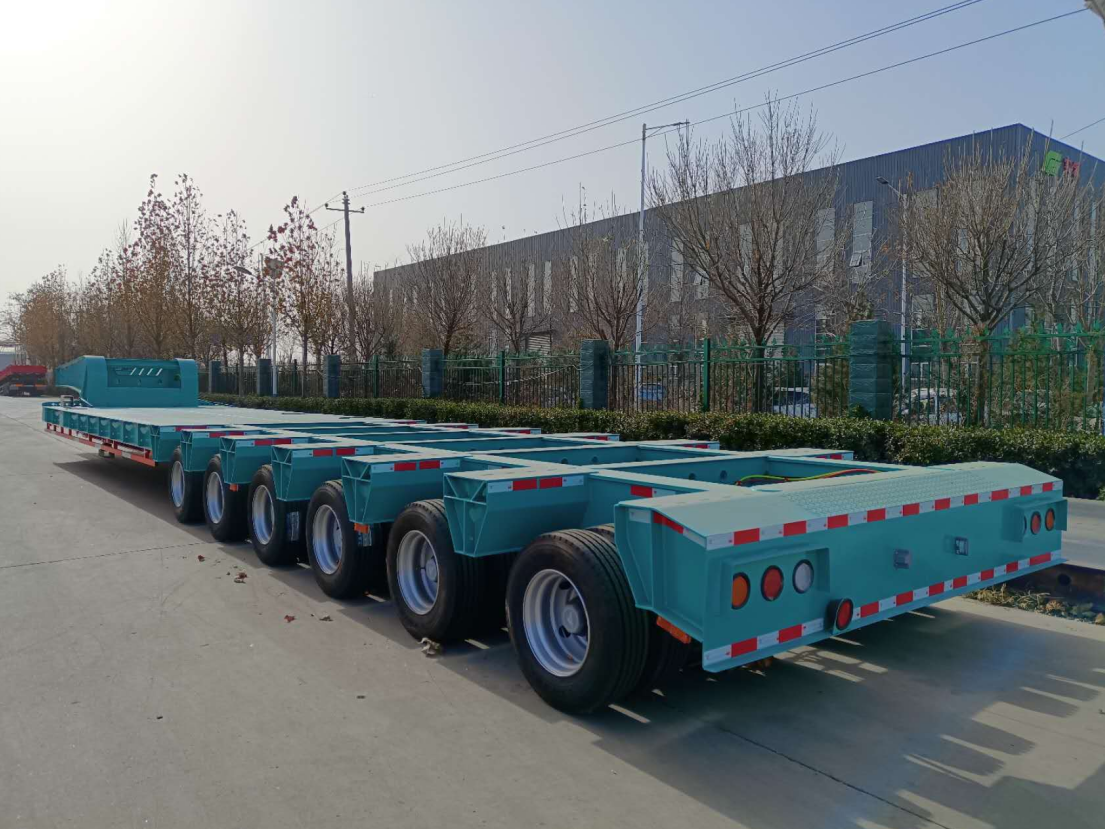
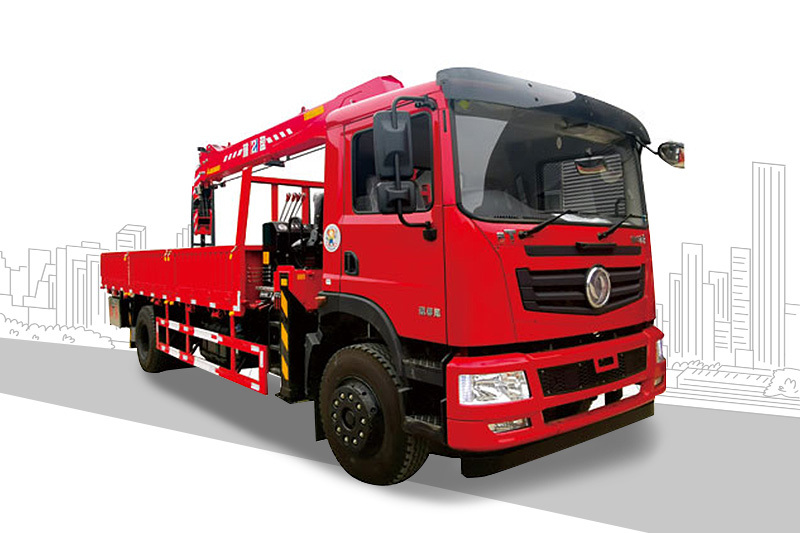
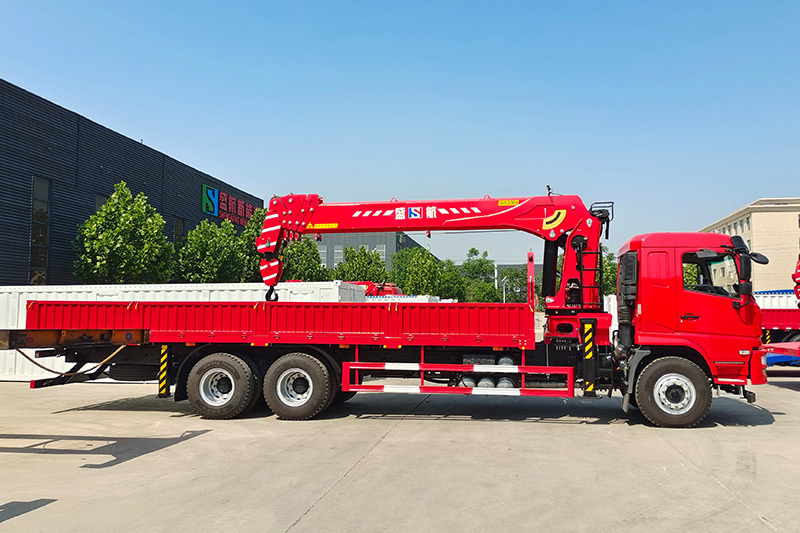
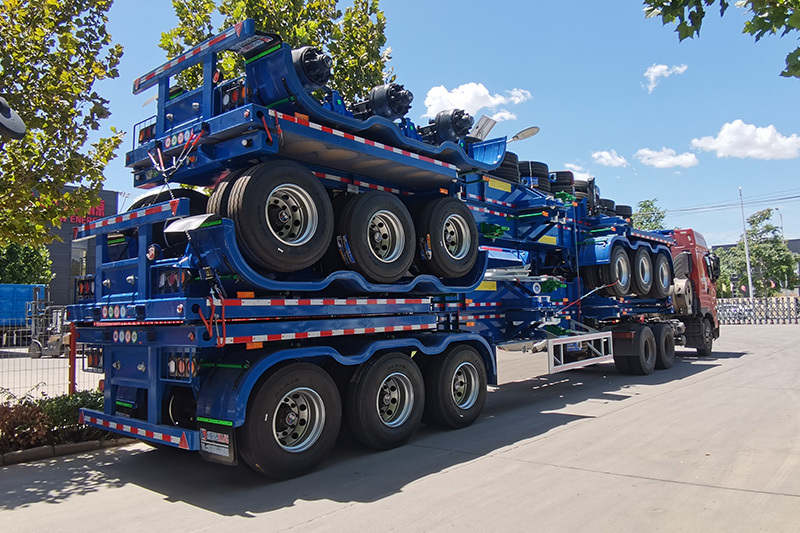
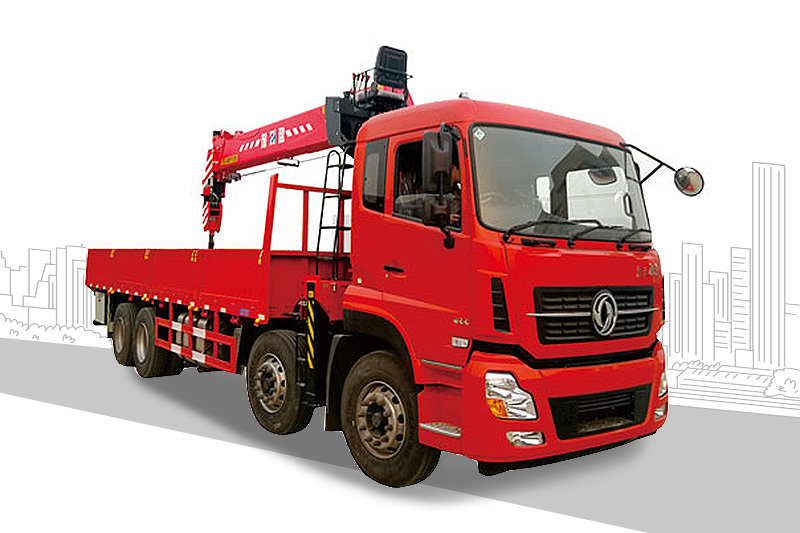
Chassis car
-
- Commodity name: Chassis car
**Chassis Car**
The term "chassis car" refers to a type of vehicle that is built on a chassis, which serves as the framework for the car. The chassis is the structural backbone of the vehicle, supporting various components such as the engine, tran ission, and suspension. Understanding the significance of the chassis in automotive design not only highlights its role in vehicle performance but also sheds light on the evolution of car manufacturing and the future of automotive technology.
**What is a Chassis?**
The chassis is essentially the skeleton of a vehicle. It is made from durable materials, often steel or aluminum, designed to bear the weight of the car and provide structural integrity. A chassis typically includes the frame, wheels, axles, and suspension system. It serves multiple functions: providing support for the body of the car, absorbing shocks from the road, and facilitating steering and handling.
There are various types of chassis designs, including the ladder frame, monocoque, and space frame. The ladder frame is often found in trucks and SUVs due to its strength and ease of repair. The monocoque design, which integrates the body and chassis into a single unit, is common in modern passenger cars, offering weight savings and improved rigidity. The space frame, characterized by its tubular structure, is often used in high-performance and race cars.
**The Role of the Chassis in Vehicle Performance**
The chassis plays a critical role in a vehicle's performance. A well-designed chassis contributes to better handling, stability, and ride comfort. For instance, the suspension system, which is an integral part of the chassis, is responsible for absorbing road imperfections and providing a ooth ride. Different suspension setups, such as independent suspension or solid axle, can dramatically affect how a car feels on the road.
Moreover, the weight distribution of a vehicle, determined by its chassis design, can influence its cornering ability and overall agility. Sports cars, for example, often have a low center of gravity and a rigid chassis, allowing them to navigate curves at high speeds without losing control. Conversely, larger vehicles like trucks may prioritize stability and load-bearing capacity over agility.
**Chassis and Safety**
Safety is another crucial aspect influenced by the chassis design. Modern chassis are engineered with safety features such as crumple zones, which absorb impact energy during a collision, protecting passengers inside the vehicle. The rigidity of the chassis can also prevent deformation during an accident, further safeguarding occupants.
Additionally, advancements in technology have led to the incorporation of various safety systems within the chassis framework. Features such as electronic stability control, anti-lock braking systems, and advanced driver-assistance systems (ADAS) rely on the chassis to function effectively. These systems enhance vehicle control and can help prevent accidents, underscoring the importance of a robust chassis in modern automotive safety.
**The Evolution of Chassis Design**
The design and construction of chassis have evolved significantly over the years. In the early days of the automobile, chassis were primarily made of wood and metal, with simple designs that offered minimal safety and performance. As technology advanced, manufacturers began to experiment with different materials and construction methods.
The introduction of computer-aided design (CAD) has revolutionized chassis development, allowing engineers to create complex structures that maximize strength while minimizing weight. The use of advanced materials such as carbon fiber and high-strength steel has further improved the performance and safety of modern chassis.
In recent years, the rise of electric vehicles (EVs) has prompted a new wave of innovation in chassis design. The need to accommodate large battery packs has led to unique chassis configurations that optimize space and weight distribution. Manufacturers are now exploring modular chassis designs that can be adapted for various vehicle types, from sedans to SUVs, enhancing production efficiency and flexibility.
**The Future of Chassis Technology**
Looking ahead, the future of chassis technology is poised for exciting developments. As the automotive industry shifts towards automation and electrification, chassis design will play a pivotal role in these advancements. For instance, the integration of autonomous driving systems requires a chassis that can support a range of sensors and computing hardware, while still maintaining structural integrity.
Moreover, the ongoing focus on sustainability is driving manufacturers to explore eco-friendly materials and production methods. Lightweight materials that reduce energy consumption, along with designs that facilitate recycling, are becoming increasingly important in chassis development.
Additionally, the rise of shared mobility services may lead to new chassis designs optimized for versatility and efficiency. Chassis that can accommodate multiple vehicle types or configurations could reshape how cars are built and utilized in urban environments.
**Conclusion**
In conclusion, the chassis car represents a fundamental aspect of automotive engineering that significantly impacts vehicle performance, safety, and design. Understanding the intricacies of chassis design reveals the complexities involved in creating modern vehicles that meet the demands of consumers and regulatory standards. As technology continues to evolve, the chassis will remain a critical component in shaping the future of transportation, paving the way for safer, more efficient, and environmentally friendly vehicles. The journey of the chassis car is far from over, and its evolution will undou edly continue to influence the automotive landscape for years to come.

Get A Free Product Quote
Fill in your phone and email information, we will contact you within one working day and solve your problem as soon as possible.
Shenghang Special Purpose Vehicle
Toll Free Hotline:400-059-0596
Tel:0086-311-85426885
Whatsapp:8618830151313(Sophia)