





Categories:
- Product Description
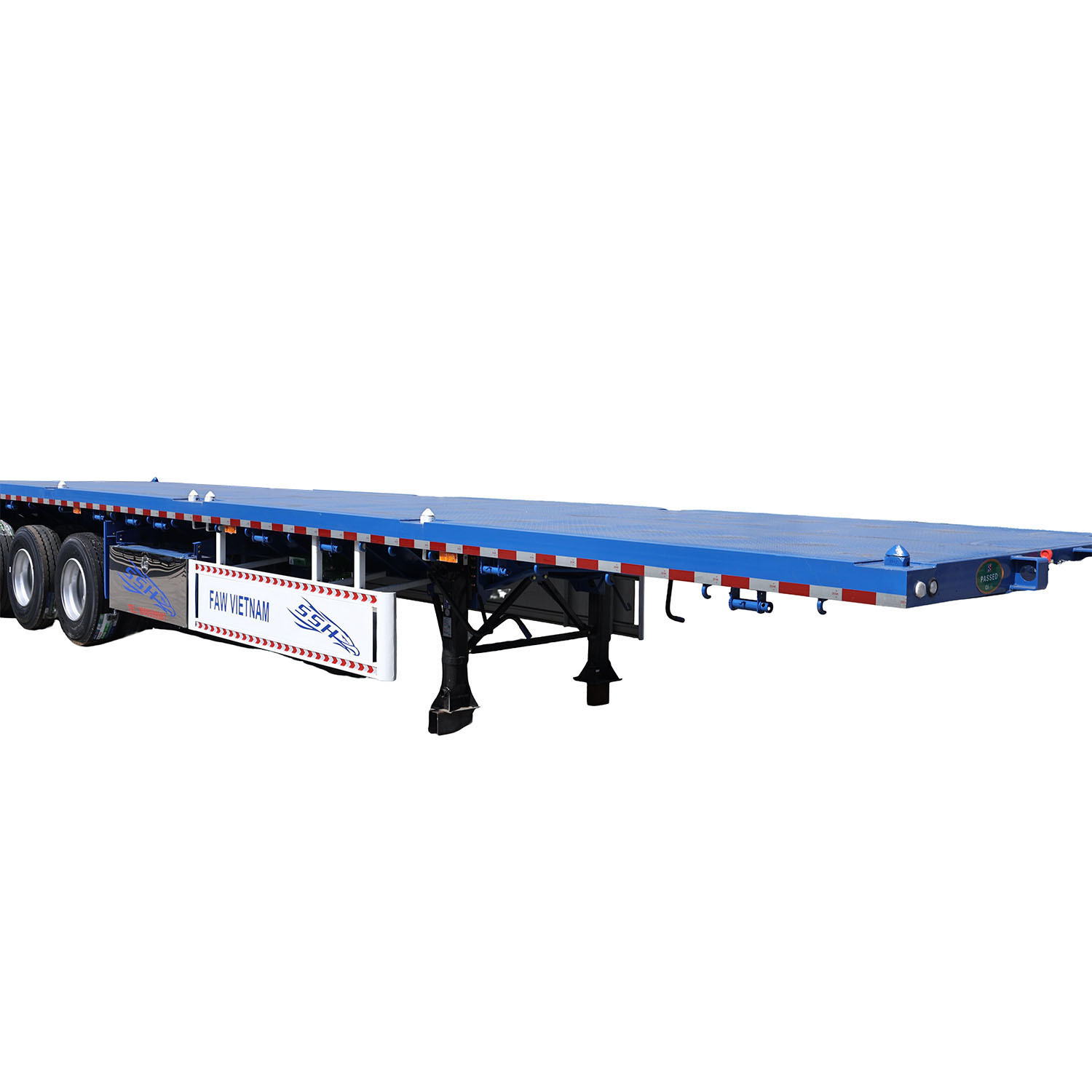
Container Flatbed Semi Trailer
-
- Commodity name: Container Flatbed Semi Trailer
Container Flatbed Semi Trailer
The logistics and transportation industry has witnessed significant advancements over the years, particularly in the types of trailers used for transporting goods. One of the most prominent types of trailers in this sector is the container flatbed semi trailer. This article will delve into the design, functionality, advantages, and considerations surrounding container flatbed semi trailers, highlighting their critical role in modern freight transportation.
**Design and Structure**
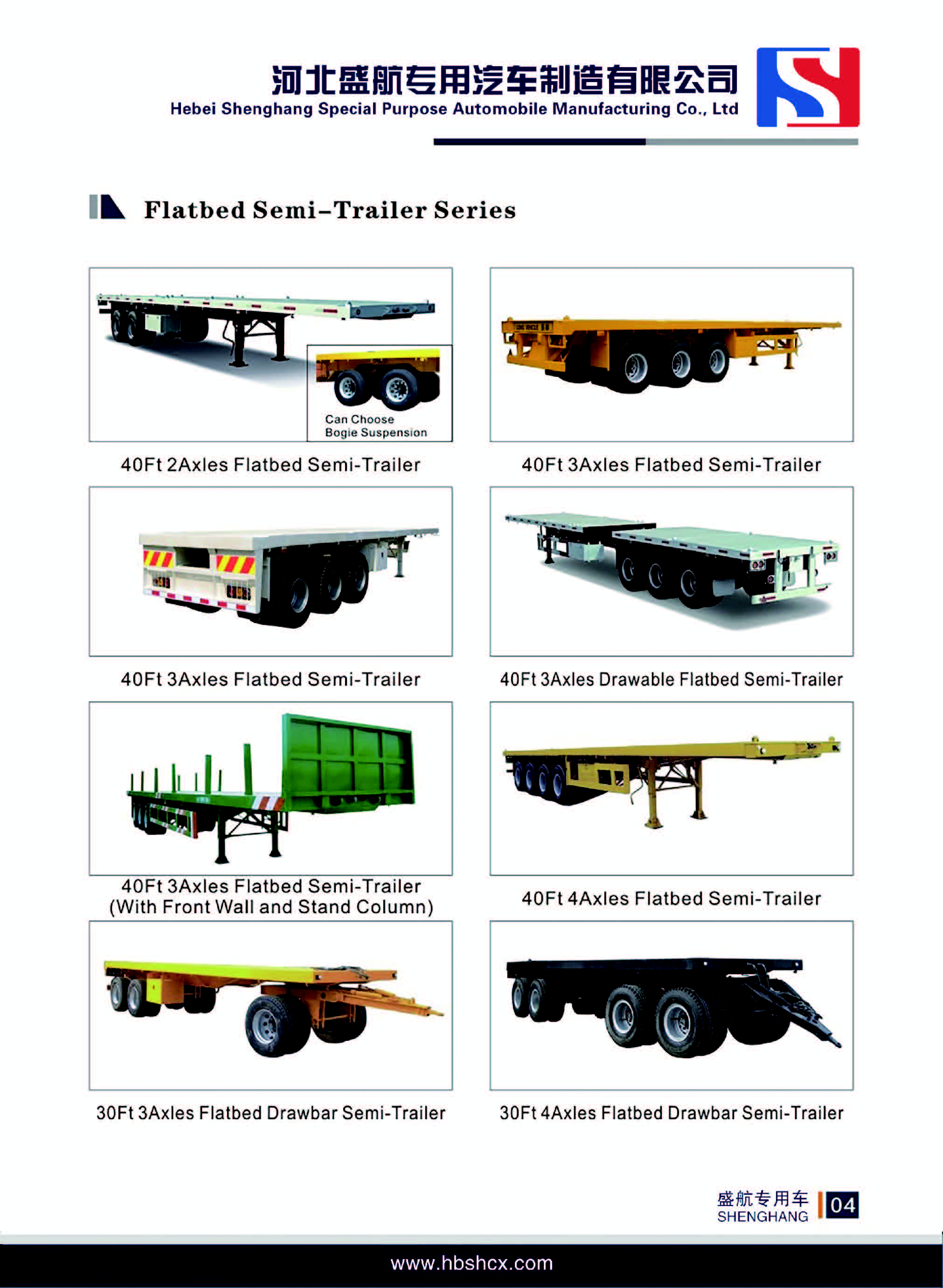
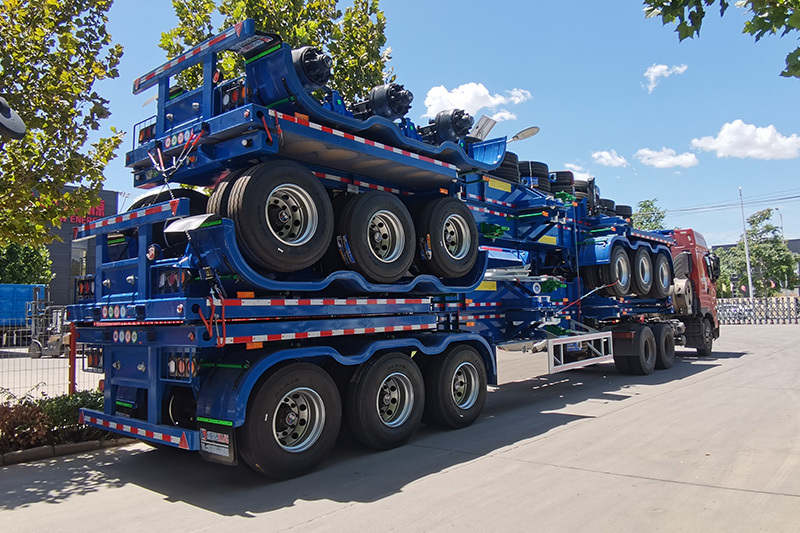
Container flatbed semi trailers are designed primarily to carry intermodal containers, which are standardized cargo containers used for shipping goods across various modes of transport, such as ships, trains, and trucks. The design of these trailers features a flat platform with no sides or roof, allowing for easy loading and unloading of containers.
Typically, a flatbed semi trailer consists of a robust frame made from high-strength steel or aluminum to ensure durability and longevity. The trailer is equipped with multiple tie-down points, allowing operators to secure containers safely during transit. Most models also feature a set of axles that support the weight of the container and ensure stability while on the road. The height of the flatbed is another important consideration, as it needs to be compatible with standard container heights to facilitate easy loading and unloading.
**Functionality and Use Cases**
Container flatbed semi trailers are incredibly versatile and can be utilized in various scenarios. Their primary function is to transport intermodal containers, which can be loaded with a wide range of goods, from electronics to agricultural products. This versatility makes them essential for businesses involved in international trade and logistics.
One of the key advantages of using container flatbed semi trailers is their compatibility with other transport modes. For instance, a container can be loaded onto a flatbed trailer for road transport and then transferred onto a train or ship without needing to unload the cargo. This intermodal capability significantly reduces handling times and minimizes the risk of damage to the goods.
In addition to intermodal transport, these trailers are also used in industries such as construction and heavy machinery. They can carry oversized equipment and materials, making them indispensable for construction projects and industrial applications. Their flat design allows for easy loading and unloading of heavy items, often using cranes or forklifts.
**Advantages of Container Flatbed Semi Trailers**
The popularity of container flatbed semi trailers can be attributed to several advantages they offer over other types of trailers.
First and foremost, their design allows for flexibility in loading and unloading. Unlike enclosed trailers, which can restrict access, flatbed trailers enable operators to load containers from multiple angles, facilitating efficient operations at ports and warehouses.
Another significant advantage is their weight capacity. Container flatbed semi trailers are engineered to carry heavy loads, making them suitable for transporting large containers filled with goods. This capability is particularly important in industries that require the movement of heavy equipment and materials.
Furthermore, the open design of flatbed trailers enhances visibility during transport, allowing drivers to monitor their cargo more effectively. This can lead to improved safety on the road, as any shifting or instability can be detected promptly.
**Considerations When Using Container Flatbed Semi Trailers**
While container flatbed semi trailers offer numerous benefits, there are also several considerations to keep in mind when using them.
One of the primary concerns is securing the load. Properly securing containers is essential to prevent movement during transit, which can lead to accidents or damage to the cargo. Operators must be well-versed in using tie-downs, chains, and other securing mechanis ms to ensure safety on the road.
Weather conditions can also impact the use of flatbed trailers. Rain, snow, and strong winds can pose challenges during loading and unloading, as well as while on the road. Operators must be cautious and prepared to adapt their operations based on weather conditions to ensure safety.
Additionally, regulatory compliance is crucial when operating container flatbed semi trailers. Different regions may have specific regulations regarding weight limits, dimensions, and safety standards that must be adhered to. Operators must stay informed about these regulations to avoid fines and ensure s mooth transportation.
**Conclusion**
Container flatbed semi trailers play a vital role in the logistics and transportation industry. Their design, functionality, and versatility make them an essential tool for transporting intermodal containers and heavy equipment.
With their numerous advantages, including flexibility, weight capacity, and improved visibility, these trailers have become a preferred choice for many businesses involved in freight transportation. However, it is crucial for operators to remain aware of safety considerations and regulatory requirements to maximize the benefits of using container flatbed semi trailers.
As the demand for efficient and reliable transportation continues to grow, container flatbed semi trailers will undoub tedly remain a key component in the ever-evolving landscape of logistics and supply chain management.

Get A Free Product Quote
Fill in your phone and email information, we will contact you within one working day and solve your problem as soon as possible.
Shenghang Special Purpose Vehicle
Toll Free Hotline:400-059-0596
Tel:0086-311-85426885
Whatsapp:8618830151313(Sophia)