

Categories:
Label:
- Product Description
Road sweeper
-
- Commodity name: Road sweeper
**Road Sweeper**
In the hustle and bustle of urban life, we often overlook the unsung heroes who work tirelessly behind the scenes to keep our cities clean and livable. One such hero is the road sweeper, a vital piece of machinery that plays an essential role in maintaining the cleanliness of our streets. This article delves into the importance of road sweepers, their operation, and their impact on urban environments.
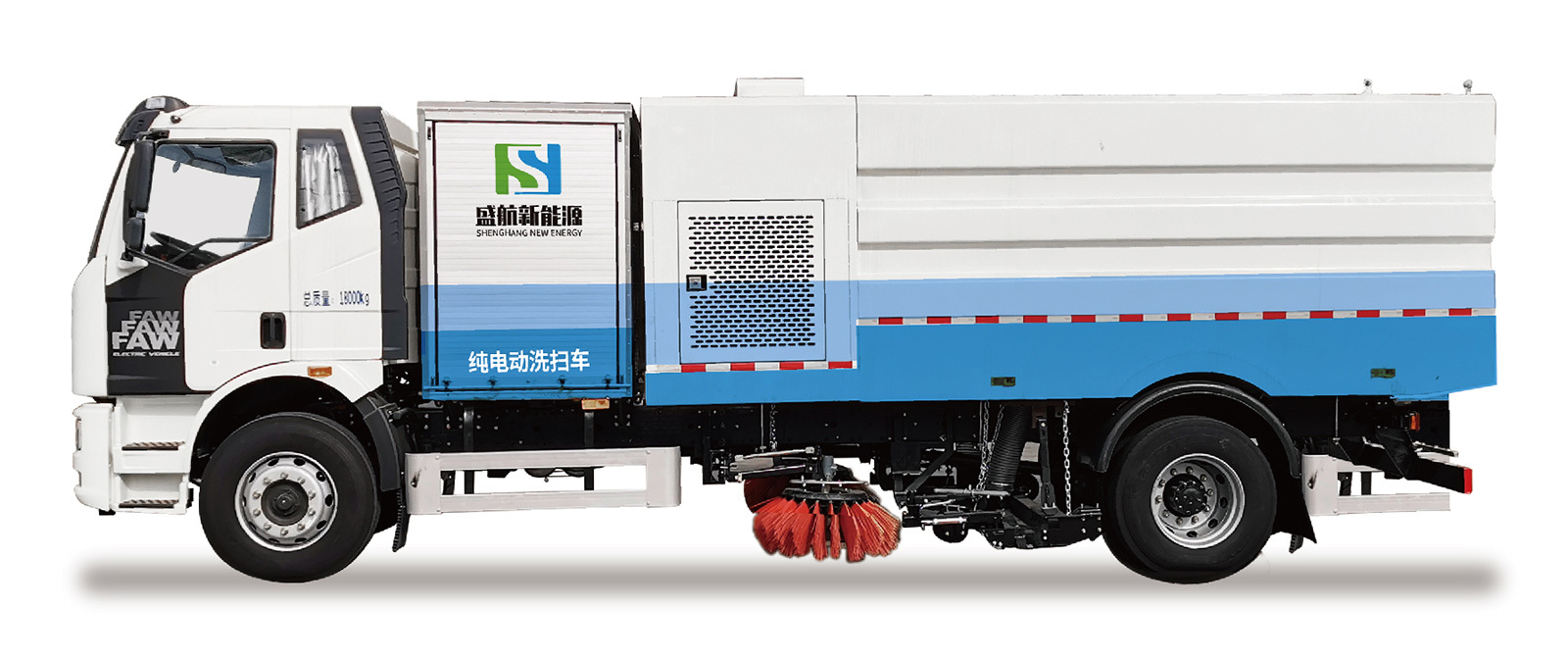
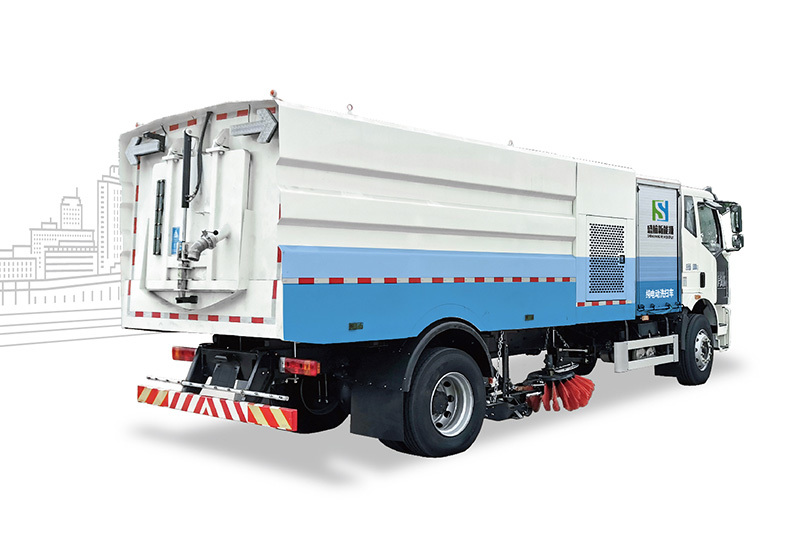
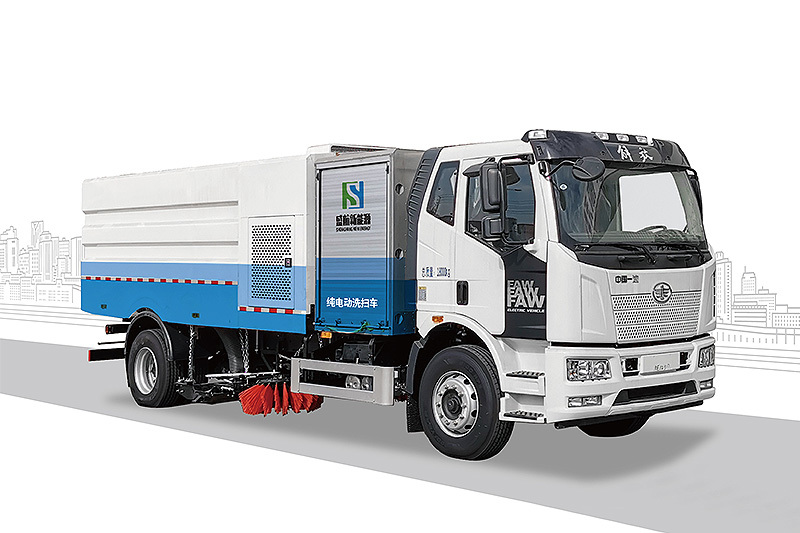
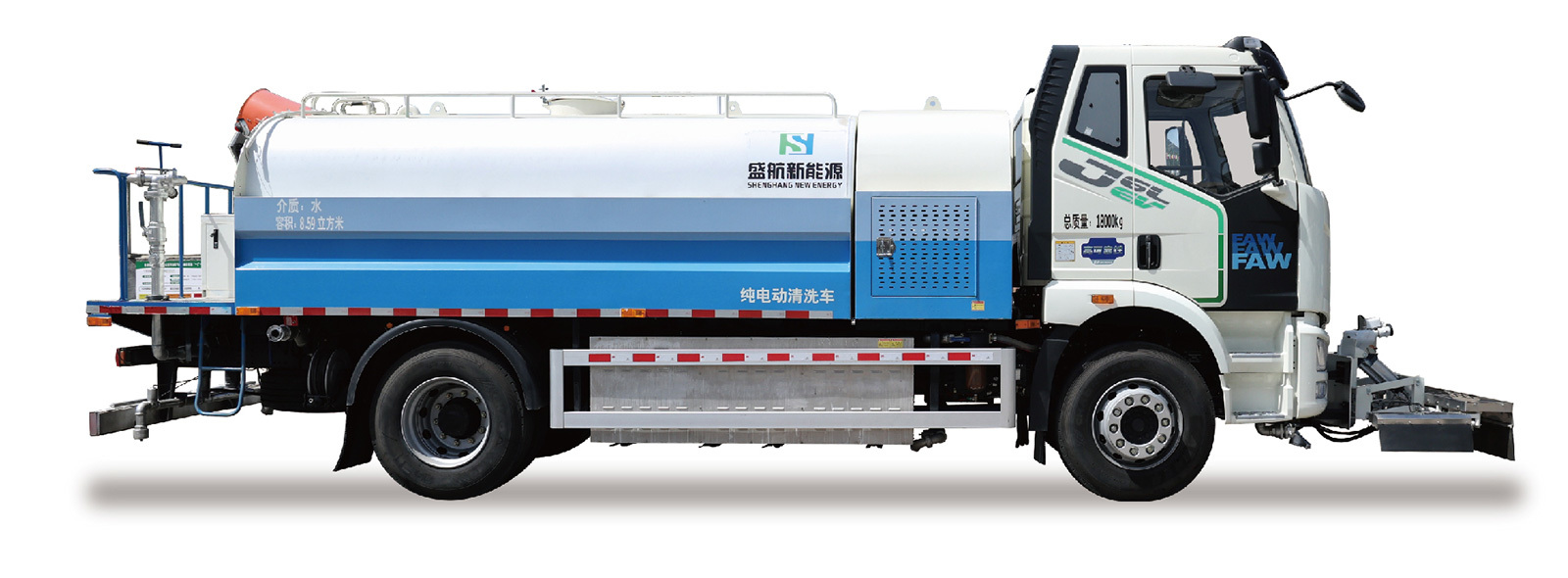
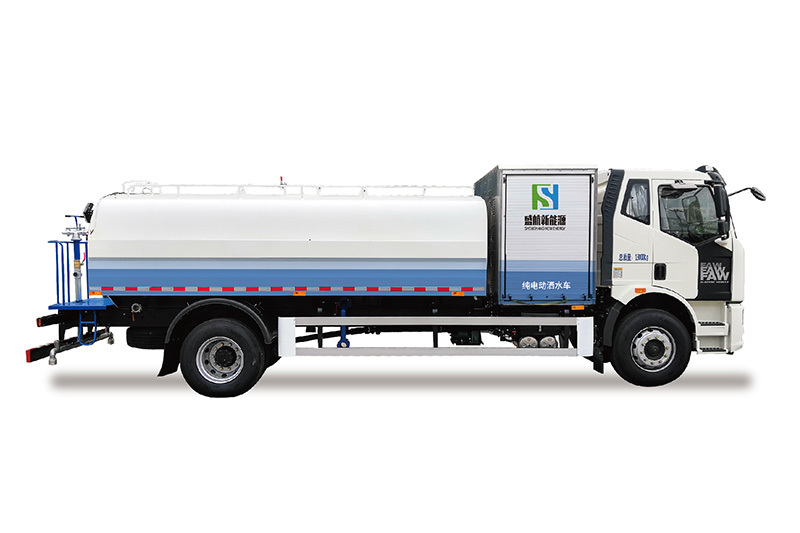
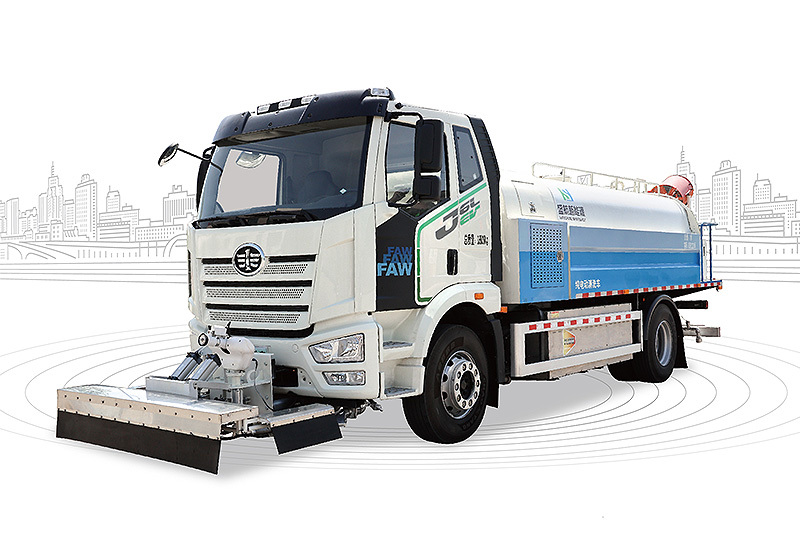
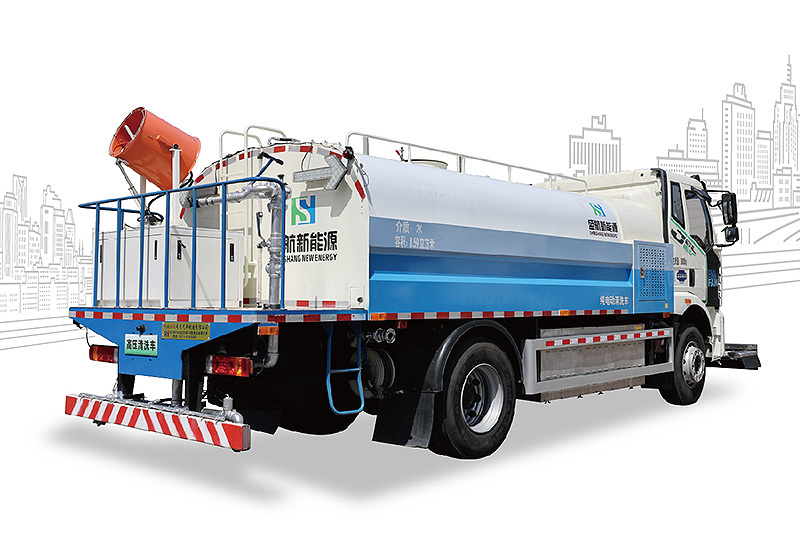
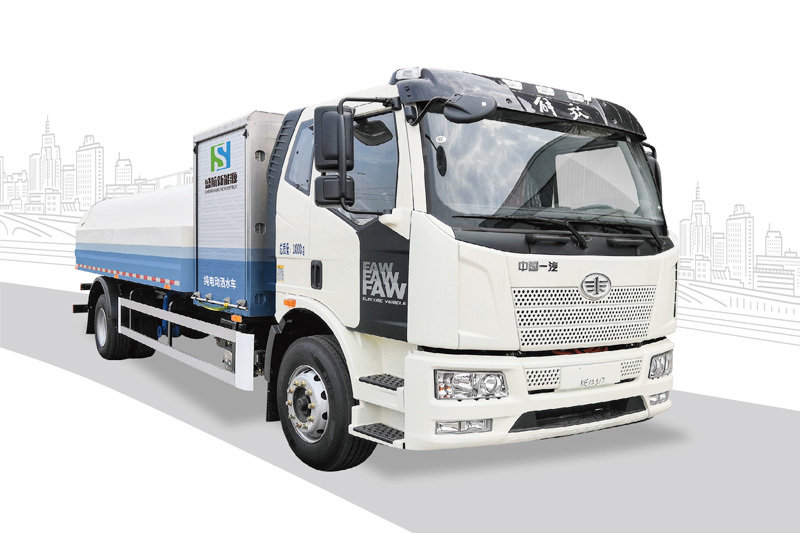
Road sweepers are specialized vehicles designed to clean streets, parking lots, and other paved surfaces. They come in various shapes and sizes, ranging from compact models suitable for narrow streets to larger, more powerful machines capable of tackling extensive areas. These vehicles are equipped with rotating brushes, suction systems, and water tanks, enabling them to efficiently collect debris, dust, and litter from the road surface. The design of road sweepers has evolved significantly over the years, incorporating advanced technologies that enhance their performance and reduce their environmental impact.
The primary function of a road sweeper is to remove debris and pollutants from the streets. This includes not only litter such as leaves, paper, and plastic but also finer particles like dust and dirt that can accumulate over time. By keeping the streets clean, road sweepers help improve the overall aesthetics of urban areas, making them more appealing to residents and visitors alike. Clean streets contribute to a positive image of a city, enhancing its reputation and potentially boosting local economies through increased touri and business activities.
In addition to their aesthetic benefits, road sweepers play a crucial role in public health and safety. Accumulated debris on the streets can pose hazards to both pedestrians and drivers. For instance, loose gravel or debris can cause accidents, while litter can attract pests that may carry diseases. Furthermore, pollutants such as oil, heavy metals, and chemicals can wash into storm drains and ultimately contaminate local waterways. Regular street cleaning by road sweepers helps mitigate these risks, promoting a safer and healthier environment for everyone.
The operation of a road sweeper involves a systematic approach to cleaning. Typically, the process begins with the vehicle traveling at a controlled speed, allowing the rotating brushes to dislodge dirt and debris from the road surface. The loosened material is then sucked up into a collection hopper, which can hold a significant amount of waste before needing to be emptied. Many modern road sweepers also utilize water sprays to help control dust and prevent it from becoming airborne during the cleaning process. This is particularly important in urban areas, where air quality can be compromised by dust and other pollutants.
The frequency of road sweeping varies depending on the location and traffic conditions. High-traffic areas, such as city centers and commercial districts, often require more frequent cleaning to keep up with the volume of debris generated by vehicles and pedestrians. In contrast, quieter residential neighborhoods may need less frequent attention. City planners and sanitation departments often develop sweeping schedules that take into account the specific needs of different areas, ensuring that resources are allocated efficiently.
As cities continue to grow and evolve, the role of road sweepers becomes even more critical. Urbanization leads to increased traffic, which in turn generates more pollution and debris. Climate change also poses new challenges, as extreme weather events can result in an influx of debris from storms, flooding, and other natural disasters. Road sweepers must adapt to these changing conditions, utilizing advanced technologies such as GPS tracking, data ytics, and environmentally friendly cleaning solutions to enhance their effectiveness.
One of the most significant advancements in road sweeping technology is the development of eco-friendly sweepers. These vehicles are designed to minimize their environmental footprint by using alternative fuels, reducing emissions, and employing water-efficient cleaning methods. Electric road sweepers, for instance, are becoming increasingly popular in urban areas, as they produce zero emissions and operate more quietly than their diesel counterparts. This shift towards sustainable practices not only helps reduce air pollution but also aligns with the broader goals of many cities to combat climate change and promote green initiatives.
In conclusion, road sweepers are indispensable assets in the maintenance of urban environments. Their ability to keep streets clean contributes to public health, safety, and the overall quality of life in cities. As technology continues to advance, road sweepers will undou edly become even more efficient and environmentally friendly, allowing them to meet the challenges of modern urban living. The next time you see a road sweeper in action, take a moment to appreciate the vital work it does in keeping our cities clean and safe. These machines, along with the dedicated operators behind the wheel, are true champions of urban cleanliness, ensuring that our streets remain a welcoming place for all.

Get A Free Product Quote
Fill in your phone and email information, we will contact you within one working day and solve your problem as soon as possible.
Shenghang Special Purpose Vehicle
Toll Free Hotline:400-059-0596
Tel:0086-311-85426885
Whatsapp:8618830151313(Sophia)